How to Choose High-Quality Earthworm Protein: A B2B Buyer Guide

How to Choose High-Quality Earthworm Protein: A B2B Buyer Guide
Choosing high-quality earthworm protein is a supplier evaluation task, not only a price comparison. B2B buyers need to understand how the material is identified, processed, tested, packed, and documented before it enters a supplement, functional food, feed, or formulation project. A low quotation can become expensive if the powder does not match the required specification, arrives with weak documents, or creates delays during production review.
This guide explains how brands, distributors, and contract manufacturers can evaluate earthworm protein powder with a practical quality lens. It avoids health-effect promises and does not replace regulatory or formulation advice. The focus is supplier review, batch documentation, and purchase planning for B2B teams.
Start with the intended application
A buyer cannot judge quality without knowing the intended use. Earthworm protein powder may be reviewed for different product concepts, and each concept may require a different particle size, appearance, odor profile, documentation package, packaging size, or regulatory review. The same material that suits one pilot project may not fit another buyer’s finished-product plan.
Before requesting a quotation, define the target application, market, expected product form, trial quantity, and quality documents needed by the receiving factory. If the material will be used by a contract manufacturer, ask the production site what information it needs before accepting a new ingredient. This can prevent slow back-and-forth after the supplier has already shipped a sample.
Application planning also helps the supplier respond with relevant information. A vague request for “best price earthworm protein” invites a generic answer. A request that explains formulation type, target market, documentation expectations, and order plan gives the supplier a chance to propose a suitable specification and packing format.
Review product identity and traceability first
High-quality sourcing starts with clear identity. Buyers should confirm the product name, raw material source description, processing route, batch number system, and the way each shipment is traced from production to final pack. Traceability is especially important for ingredient buyers because one purchase may later be divided across samples, pilot batches, and commercial production.
Ask the supplier how the material is labeled and how batch records connect to the COA. The product name on the quotation, sample label, COA, specification sheet, invoice, and shipping documents should match. Inconsistent naming can cause confusion during customs review, warehouse receiving, or finished-product documentation.
Traceability should also extend to packaging. Inner bags, sample packs, and outer cartons should carry enough information for the buyer to connect the material to the batch documents. If a supplier uses plain inner packs, ask how batch identity is preserved once outer cartons are opened.
Separate confirmed facts from supplier claims
Earthworm protein buyers often receive product descriptions that mix confirmed specifications, broad ingredient background, and commercial language. These categories should be separated during review. A confirmed fact is supported by the supplier’s specification, COA, label, or another document tied to the product. A supplier claim may be useful for positioning, but the buyer should decide whether it needs proof before it appears in a finished-product file or customer-facing material.
This distinction is especially important when a sales discussion mentions protein content, processing method, microbiological control, or product suitability for a certain formulation. If the data is not listed in the current product document, the buyer should ask for confirmation instead of copying it into the purchase file. A careful supplier will understand this request and provide a clear answer, even if the answer is that a value must be confirmed by batch testing.
Brands should also keep health language separate from ingredient quality language. A supplier can discuss product identity, appearance, testing, handling, and supply capability. The buyer’s regulatory team should review any finished-product claim before it is used in packaging or marketing. This keeps the sourcing conversation practical and reduces the risk of turning an ingredient discussion into an unsupported claim.
Check sensory and physical quality without overclaiming
Appearance, odor, texture, and flow are practical quality indicators, but they should be reviewed carefully. They do not prove every quality attribute on their own. A buyer can use sensory and physical checks to screen samples, then rely on lab documents and production trials for deeper evaluation.
| Quality area | What buyers can review | Why it matters |
|---|---|---|
| Appearance | Color consistency, visible foreign matter, and batch-to-batch similarity. | Helps screen obvious material differences before formulation work. |
| Odor | Whether odor is acceptable for the intended product and packaging format. | Strong odor can affect formulation acceptance and finished-product design. |
| Particle behavior | Flow, clumping, and dispersibility during trial handling. | Influences blending, filling, and production convenience. |
| Moisture concern | Signs of caking, dampness, or poor sealing. | May indicate storage, packaging, or transit issues needing QA review. |
| Sample consistency | Comparison between retained sample and later batch sample. | Supports supplier consistency review across orders. |
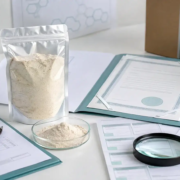
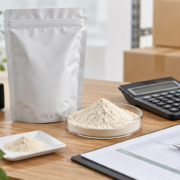
Buyers should document sample observations with photos, dates, storage notes, and test feedback. This creates a fair comparison when evaluating multiple suppliers or reviewing repeat orders months later.
Ask for batch documents, not just sales claims
Reliable suppliers should support ingredient quality with documents that a buyer’s QA team can read and file. Sales claims may help early screening, but they should not replace batch-level documentation. Buyers should ask what documents are available before placing a sample order and what will be provided with a commercial batch.
Common documents may include a COA, product specification, safety document, flow chart, allergen statement, GMO statement where relevant, and storage or shelf-life statement. The required list depends on the buyer’s market and product category. If a buyer needs a specific document for customs, retail review, or contract manufacturing approval, that need should be stated early.
| Document | Buyer review point | Commercial value |
|---|---|---|
| COA | Batch number, release date, test items, and matching product name. | Supports QA release and supplier comparison. |
| Specification sheet | Appearance, key quality criteria, packing, and storage statement. | Creates a shared standard for quotation and production. |
| Process overview | General processing route without confidential details. | Helps buyers understand material consistency and handling needs. |
| Safety document | Handling, storage, and transport information. | Supports warehouse and production-site review. |
| Packaging information | Inner pack, outer carton, label, net weight, and seal method. | Helps plan receiving, sampling, and inventory control. |
When documents are provided, buyers should check that the supplier name, product name, batch number, and dates are consistent. If a document looks generic, ask whether a batch-specific version will be provided after production or before shipment.
Evaluate manufacturing control and consistency
Quality depends on more than a single sample. A B2B buyer should understand whether the supplier can provide consistent material across repeat orders. This does not require the supplier to reveal confidential processing details, but it does require enough information to assess control points, batch records, and quality review.
Useful supplier questions include how raw materials are checked, how production batches are separated, how in-process controls are recorded, and how final batches are released. Buyers can also ask how the supplier handles retained samples and complaints. Clear answers show that the supplier has a working quality system rather than only a sales catalog.
Consistency review should include both technical and commercial factors. If the supplier can make a good sample but cannot provide stable lead time, clear packing, or repeat documentation, the buyer may still face production disruption. Quality for B2B sourcing includes the ability to repeat the agreed specification in a predictable way.
Confirm packaging and storage fit the buyer’s process
Packaging should protect the powder and make it practical for the buyer’s facility. A buyer may need small sample packs for evaluation, mid-size trial packs for pilot production, and larger packs for commercial orders. Each format should preserve traceability and help control moisture, exposure, and handling.
Storage recommendations should be clear before the shipment leaves the supplier. If the material should be stored in a cool, dry place or protected from moisture, the buyer must know whether its warehouse and contract manufacturer can follow that instruction. Packaging and storage are part of quality because they affect how the material is handled after release.
Buyers should also ask for photos or descriptions of inner and outer packaging. This helps receiving teams prepare for the shipment and gives the buyer a chance to identify label or palletization needs before dispatch.
Use samples to test supplier communication
Sampling is not only a material test. It is also a communication test. A strong supplier should explain sample quantity, sample label, available documents, shipping method, and expected timeline. The supplier should also be able to answer questions after the buyer completes initial review.
During sampling, buyers should track how quickly the supplier responds, whether the documents match the sample, and whether answers remain consistent across sales and technical contacts. If simple sample questions are unclear, larger orders may become difficult.
Sample review should include the contract manufacturer when possible. The production site may notice practical handling issues that the brand team does not see, such as flow behavior, odor compatibility, or packaging preferences. Early production feedback helps avoid changes after a commercial order is placed.
Buyers should also define what a successful sample review means before the sample arrives. For some projects, the main goal is sensory acceptance. For others, the buyer needs document completeness, basic trial handling, or confirmation that the supplier can prepare a custom packing format. Written sample criteria make the review more useful and help prevent a team from approving a supplier based only on first impression.
If the sample will be stored for future comparison, mark the opening date and storage condition. A retained sample that has been opened many times may not be a fair reference for a future batch. When repeat-order consistency matters, it is better to keep a sealed retained sample when possible and record how any working sample was handled.
Compare total sourcing value, not only unit price
Price matters, but the cheapest quote is not always the lowest-risk option. Buyers should compare specification fit, documentation quality, communication, packaging, lead time, sample support, and the supplier’s ability to handle repeat orders. A slightly higher price may be more practical if it reduces delays, extra testing, and uncertainty.
Total value is especially important when the buyer is developing a private label or OEM product. The ingredient supplier’s reliability can affect launch timing, contract manufacturer approval, and the brand owner’s ability to answer downstream questions. A supplier that helps the buyer prepare a complete documentation package can save time during product development.
Buyers should keep a supplier comparison sheet rather than relying on email memory. Include product name, specification notes, sample feedback, documents received, packaging, lead time, minimum order quantity, and open questions. This makes the final decision more objective and easier to explain internally.
Supplier evaluation checklist
The following checklist can help buyers turn quality review into a repeatable process:
- Define the intended application and target market before asking for a quote.
- Confirm product name, batch traceability, and document consistency.
- Review appearance, odor, flow, and sample handling notes with the production site.
- Ask for COA, specification, storage statement, and packaging information.
- Check whether documents are batch-specific or only general marketing files.
- Discuss repeat-order consistency, lead time, and retained sample policy.
- Confirm inner packing, outer cartons, labels, and storage fit the buyer’s process.
- Compare suppliers by total sourcing value rather than price alone.
This checklist is simple, but it helps purchasing, QA, and product development teams discuss the same facts. That shared view is often what separates a smooth supplier approval from a slow and frustrating sourcing project.
FAQ
What is the first thing to check when choosing earthworm protein powder?
Start with the intended application and required documents. Once the buyer knows the target use, market, production site, and QA requirements, it becomes much easier to compare specifications, samples, packaging, and supplier support.
Is a COA enough to prove high quality?
A COA is important, but it is only one part of supplier review. Buyers should also check specification fit, batch traceability, packaging, storage guidance, communication quality, and sample performance in the intended production context.
How should buyers compare samples from different suppliers?
Use the same receiving, storage, and review process for each sample. Record photos, dates, sensory notes, document completeness, and production-site feedback. A controlled comparison is more useful than informal impressions.
What documents should be requested before a bulk order?
Common requests include COA, specification sheet, safety document, storage statement, packaging details, and any market-specific declarations needed by the buyer. The exact list should match the buyer’s product category and regulatory review process.
How can a buyer reduce repeat-order risk?
Agree on the specification, packaging, document package, lead time, and communication process before scaling up. Keep retained samples and compare repeat orders against the approved reference when the buyer’s QA process requires it.
Send your ingredient inquiry if you need earthworm protein powder samples, supplier documents, packaging options, or OEM ingredient support for your next B2B project.