Bitter Peptides: Planning Sensory Trials for Earthworm Peptide Formulas
Bitter Peptides: Planning Sensory Trials for Earthworm Peptide Formulas
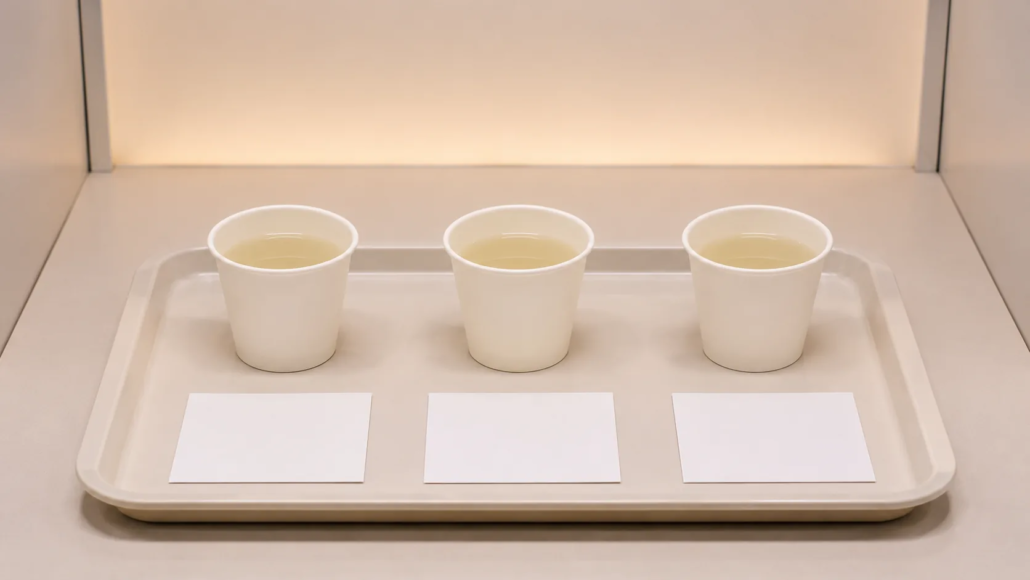
A bitterness trial should tell the formulation team whether a defined earthworm peptide sample changes bitterness in a defined recipe. Set up a control, conceal sample identities, and decide whether the test needs to detect a difference, measure its intensity, or assess liking. These are separate decisions. Test a traceable lot at a relevant inclusion level, and keep the preparation and serving conditions consistent across samples.
Teams evaluating earthworm peptide powder should treat bitterness as a question for the particular grade and formula. A descriptive check on powder dispersed in a simple liquid may help the team understand the ingredient. A finished-matrix comparison shows whether a difference persists alongside the other ingredients and process steps planned for the project. Start any tasting only after qualified staff have cleared the materials, formula, and test conditions for the intended sensory work.
Use published research to frame the question
Protein hydrolysates contain mixtures of peptides and other constituents. Research on selected whey hydrolysates has linked bitterness to particular peptides identified in the material studied. In micellar casein experiments, researchers combined sensory assessment with mass spectrometry data to study bitterness in defined samples. These results show why it is worth pairing a sensory result with information about the actual preparation. Neither study establishes the bitterness of an earthworm peptide lot. Original study identifying bitter peptides in whey hydrolysate. Original study combining sensory data and mass spectrometry in casein hydrolysates.
A size profile or hydrolysis result can provide context when lots behave differently. It cannot supply a sensory intensity or show how a formula tastes. The sample may contain multiple compounds that affect perception, and the recipe can change the effect. Start with a sensory comparison that isolates the relevant difference. Request additional analytical data when those results help explain a confirmed observation or distinguish between competing explanations.
Choose a test that answers the decision
When the question is whether one of two samples tastes more bitter, a directional paired comparison can help. Define the attribute and the decision before presenting any samples. ISO 5495 describes paired comparison procedures for assessing a specified sensory attribute. A directional result tells the team about the direction of the perceived difference. Measuring how large the difference is requires an appropriate intensity method. ISO 5495 on sensory paired comparison.
An intensity assessment can help when the formulation team needs to know whether a difference is large enough to act on or whether it persists into the aftertaste. Agree on the scale, attribute language, and observation times. If the question concerns how well intended consumers like the formula, plan a separate acceptance study using eligible participants and a defined protocol. A preference score can change because of aroma, texture, sweetness, or several attributes together.
| Question | Possible comparison | Outcome to review |
|---|---|---|
| Is a candidate more bitter than the current reference? | Blind directional paired comparison. | The direction of perceived difference under the specified conditions. |
| Is the change large enough to affect development? | Bitterness intensity ratings on a defined scale. | Magnitude, variability and how the difference relates to the trial criterion. |
| Does bitterness persist after the initial impression? | Assessment at agreed times with consistent instructions. | Initial intensity and aftertaste recorded separately. |
| Does the intended user like the revised recipe? | Consumer acceptance or preference study after suitable review. | Liking or preference, interpreted alongside separate descriptive evidence. |
Build a control that makes the result interpretable
Start with the existing approved recipe or a defined base. Prepare a candidate that changes the ingredient under review and record any adjustments needed for a fair comparison. Removing a peptide ingredient from the control may also change solids or texture. If that happens, decide whether a base-only control is enough for your question or whether an additional comparison is needed. Retain both recipes so the team can tell what differs between the samples.
For an ingredient replacement, state whether the comparison uses equal powder mass, a matched amount of a specified component, or the inclusion level planned for each formulation. The choice can change total solids, sweetness, or thickness. Agree on the basis before preparing the samples. If a formula requires adjustment for its intended use, consider testing both a controlled comparison and the actual revised recipe so you can distinguish the source of the difference from the practical result.
Use the same lots of other ingredients where feasible. Keep notes on mixing order, rest time, serving temperature and sample age. Where processing matters, prepare each trial under the same documented conditions. Give each independently prepared portion an identifier. A repeated rating from the same portion can be useful, while a separate preparation also captures variation introduced by the way the formula was made.
Reduce clues, order effects, and sensory carryover
Use neutral sample codes and keep the code key out of the assessors’ view. Present samples in comparable containers and amounts. Give instructions about the attribute being evaluated without identifying which sample contains the candidate ingredient. Where appearance is a relevant cue, decide in advance whether to control it for an attribute comparison or preserve it for a realistic product assessment. Record the choice because it affects interpretation.
Plan the order of presentation so that the candidate is not always tasted first or last. Use a consistent interval and suitable palate-clearing practice selected by the sensory team. If a sample leaves a persistent impression, a later sample can be judged differently simply because it followed the first. Consider whether the comparison needs more than one session, or fewer samples per session, when carryover or fatigue would make the results difficult to interpret.
Record bitterness separately from other observations. A lingering bitter taste, drying sensation, odor and a change in sweetness can influence the overall experience. Give assessors a consistent way to record these observations where they are relevant to the decision. An original study using milk protein hydrolysates found that altering sweetness in the tested samples affected multiple sensory perceptions. That is a reason to track more than bitterness when changing a masking system in a new formula. Original temporal sensory study in milk protein hydrolysates.
| Trial element | Record | Reason to retain it |
|---|---|---|
| Ingredient and formula | Grade, lot, recipe version, inclusion basis and control recipe. | Connect the observation to the tested materials. |
| Preparation and service | Preparation ID, process, age, temperature and portion. | Distinguish formulation differences from handling differences. |
| Presentation | Codes, serving order, instructions and observation times. | Show how clues and order effects were addressed. |
| Outcome and disposition | Individual results, method of analysis, agreed criterion and decision. | Allow a later reviewer to reproduce the interpretation. |
Use the trial outcome to decide what to change
Imagine a blinded comparison in which a candidate receives similar bitterness ratings just after tasting but leaves a more persistent bitter aftertaste. That example points to a follow-up that retains the observation time. First check whether the result repeats with a new preparation and a balanced sample order. If it does, a focused comparison could examine one formulation adjustment at a time while retaining the original control and recording any effects on sweetness, aroma or texture.
In a different illustrative case, a candidate is more bitter in a simple dispersion but shows little difference in the intended recipe. Confirm whether the finished-matrix test was sensitive enough to address the development decision and whether the result holds across independent preparations. The difference in a simple dispersion can remain useful for the ingredient file, especially if the product line includes a second formula where the conditions are different. Keep the observation tied to the recipe and service conditions used.
When a test does not show a clear difference, review sample variability, panel suitability, and the decision the study was designed to support. A study can fail to distinguish two recipes even when the real difference matters to the team. If the intended decision is to establish similarity within an agreed tolerance, plan the test to support that decision and have the results interpreted under the study’s criteria. Preserve uncertainty in the trial record so the outcome can guide the next round.
Plan what the team will read before opening the code key
Decide which observation will govern the trial. The team may have an initial bitterness rating, a later aftertaste rating, and notes about other attributes. If the original development problem is the lingering taste, assign that observation its own place in the review. Decide which time point and comparison matter before collecting data. If the results suggest a new issue, such as an aroma change, record it as a finding for follow-up so it remains clear what the original comparison was designed to test.
Keep each response associated with its sample code, preparation and presentation order. Review whether one round of preparation or one ordering pattern accounts for most of the apparent difference. Review missing observations and any documented deviations before combining results. Avoid merging results collected under different instructions or at different observation times unless the analysis plan explains how to do so. Where the results vary across sessions, share that variation alongside the average rather than presenting one number for the formula.
When conducting a second comparison, preserve the original control and document the single revision being evaluated. If the team changes both flavor and sweetness after the first trial, it may learn whether the new recipe fits the intended product, but it will have less evidence about which change produced the effect. Depending on that decision, use a single-variable comparison or a deliberate set of recipe combinations with enough independent preparation to interpret the outcomes.
Record who decides whether to advance the candidate, repeat the comparison, or investigate another attribute. The tasting record should identify the exact recipe, the test date, the grade and lot, and the finding that led to the next step. That information helps if a later lot performs differently or if the prototype is prepared at a different site.
Agree what needs to repeat before relying on a result
If a sensory outcome will support repeat supply, check whether the same behavior is seen across independently produced lots that represent the quoted grade. Agree whether the evaluation belongs in development, incoming review, or periodic comparison. A supplier description of appearance and odor may be enough for one purchase decision. A formula affected by small taste changes may need an agreed reference and a practical procedure for handling differences. Define that in terms of the actual matrix and test.
Ask the supplier about grade and sample traceability, composition information, and what may change between a sample and a bulk order. Keep the sensory result linked to the exact lot. Where a supplier offers a grade described as reduced in bitterness, ask which material and method were used for the comparison and what documentation supports it. Evaluate the offered sample in the intended formula before turning the description into a purchasing requirement.
FAQ
Are all earthworm peptide powders bitter?
Bitterness needs to be evaluated for the specific grade, lot, inclusion level, and formula. Published results on other hydrolysates do not establish a taste rating for the offered material.
Should I test the ingredient in water or in the complete formula?
A controlled dispersion can help describe the ingredient. A finished-matrix comparison addresses the planned application. Run the test that matches the decision, and retain both results separately when both are useful.
Can an analytical peptide profile replace sensory evaluation?
An analytical profile can help investigate composition or lot differences. A bitterness rating concerns perception under specified sensory conditions and needs evidence from a suitable evaluation.
How should I measure aftertaste?
Agree on when it will be assessed and which attribute is being recorded. Keep sample service and instructions consistent and allow the sensory team to account for carryover between samples.
What should I include when asking for a sample?
Share the grade, intended formula, inclusion basis, reference ingredient, and the sensory outcome you need to investigate. Ask for a traceable sample and available documentation for that lot.
Send Your Ingredient Inquiry
Share the earthworm peptide powder grade, formula type and sensory question you need to answer. Include the control you intend to use and any existing trial results. The Venacorebio team can discuss the sample and ingredient documentation relevant to your comparison.