Earthworm Protein Applications Across Industries: Research, Formulation, and Commercial Boundaries
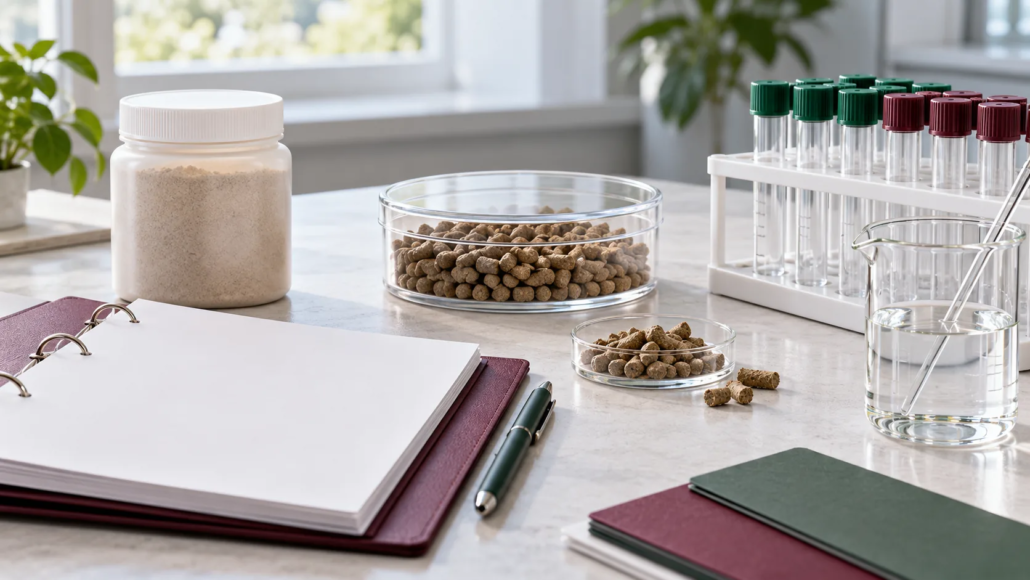
Earthworm Protein Applications Across Industries: Research, Formulation, and Commercial Boundaries
Earthworm protein applications span several distinct discussions: protein-ingredient formulation, animal nutrition, aquaculture feed research, and preparation of materials for laboratory study. These are not interchangeable markets. Evidence from one preparation or species does not automatically establish suitability for another industry or permission to sell a finished product.
For teams exploring earthworm protein powder, the practical starting point is to identify the material and the intended job. A protein-containing powder, a recovered protein fraction, and a hydrolyzed preparation can require different specifications and evaluation plans.
This guide explains where the material is being investigated and how buyers can assess possible applications. It does not claim that every use described is established, approved, or supported by a particular supplier. It provides no dose, feed inclusion recommendation, medical benefit, or safety finding.
Identify the Material Before Choosing an Industry
The term earthworm protein does not describe one uniform ingredient. Ask whether the offer concerns dried source material, a separated protein preparation, or a hydrolysate. Clarify source identity, processing description, composition, and any added ingredients before comparing possible applications.
A research paper may characterize a selected fraction that differs from a commercial powder. Keep that distinction visible when discussing functionality, nutritional composition, or feed performance. A result belongs to the material and method that were tested.
Also state the proposed application category clearly. A laboratory evaluating a separation method, a feed developer designing a species-specific diet, and a brand considering a consumer product need different evidence. The same product name on their inquiry forms does not make the projects equivalent.
Record the material description and intended use together. This creates a reference for selecting research, requesting supplier documents, planning trials, and deciding whether a possible application deserves further work.
Compare Application Routes by the Question They Must Answer
A useful industry map separates technical interest from commercial readiness. The routes below identify questions for evaluation, not a catalogue of approved uses or confirmed supplier services.
| Application route | Potential evaluation focus | Evidence still needed |
|---|---|---|
| Human nutrition ingredient development | Composition and fit in a defined product concept | Material-specific safety and destination eligibility |
| Food formulation research | Dispersion, foaming, emulsion behavior, and texture-related trials | Performance in the actual formulation and permitted use |
| Aquaculture feed development | Diet-specific evaluation in the intended fish species | Feed eligibility and relevant feeding evidence |
| Other animal nutrition projects | Suitability for a defined animal and feed format | Species-specific assessment, not extrapolation from fish |
| Laboratory and hydrolysate research | Preparation, separation, and characterization of defined materials | Identity, reproducibility, and limits of the research model |
For each route, identify the next decision and its reviewer. A project can be worth investigating without being ready for sale. Keeping those stages separate helps technical and commercial teams discuss opportunities without overstating them.
Protein-Focused Nutrition Projects
Nutrition-oriented development begins with the composition of the actual ingredient, not a broad alternative-protein story. Request the proposed specification, analytical methods, reporting basis, and available lot information. Confirm whether the powder as supplied matches the material described in the project brief.
Questions may include protein reporting, amino acid information, moisture, ash, other components, and relevant safety-related records. These are items for qualified review, not universal limits supplied by this article. Missing information should remain an open issue rather than being filled with a value from another preparation.
A possible nutrition application also needs a destination-specific assessment of ingredient status, intended users, proposed use, and claims. Do not infer permission from the fact that a supplier markets a raw material or can arrange a technical sample.
The FDA supplement overview explains that supplements are not approved by FDA for safety and effectiveness before sale. A product-development discussion therefore should not be described as an approval or a finding of health benefit.
Food Formulation and Functional-Property Research
For formulation work, the useful question is what the identified preparation does in a defined system. A 2023 study of Eisenia andrei examined nutritional composition and functional properties, including foaming and emulsion behavior, of its studied materials. Those observations support further technical investigation, not a guarantee for another powder.
Foaming concerns the behavior of a gas-containing system; emulsion work concerns a system containing liquid phases such as oil and water. A formulator should decide whether either property matters to the proposed product before selecting tests. A favorable result in one test does not establish that the ingredient works in every beverage, blend, or processed food.
Record the actual trial matrix and preparation conditions. Keep dispersion, settling, appearance, and other observations distinct rather than collapsing them into a single statement that the ingredient is soluble or functional.
Any consumer-use or sensory work needs prior appropriate safety and regulatory review. A technical sample is not a tasting product by default. Physical performance and acceptance for human consumption are separate decisions.
Aquaculture Feed Research
Aquaculture is a research area where earthworm-derived materials have been evaluated within complete diets. The relevant evidence must identify the species, life stage, diet, preparation, study duration, and measured outcomes. These details matter more than a general statement that an alternative protein can replace fishmeal.
A 2026 rainbow trout study evaluated earthworm protein hydrolysate and a protein treatment during an eight-week feeding trial. Its abstract reported no significant differences in several growth measures between the hydrolysate diets and the basal diet, while some comparisons differed for the protein treatment. This is diet- and preparation-specific evidence, not proof that all earthworm powders are interchangeable.
Do not turn a trial’s inclusion levels into a recommendation for another feed project. Ask a qualified animal-nutrition team to assess the complete diet and plan any further work. A preparation studied in rainbow trout should not automatically be assigned the same role in another species.
Commercial feed use also needs its own eligibility review. Research interest and a successful experimental diet do not establish that a proposed ingredient can be sold in every feed market.
Other Animal Nutrition Requires Its Own Evidence
Livestock, companion-animal, and other feed proposals should be treated as separate projects rather than extensions of a fish trial. Identify the intended animal, life stage, feed format, purpose, and destination before deciding which information is relevant.
Ask the reviewer what composition, safety, nutritional, and performance evidence is needed for that use. If suitable evidence is unavailable, the appropriate outcome may be further research or a decision not to proceed. The absence of a known problem is not a complete feeding assessment.
The FDA animal food ingredients page describes regulatory resources for animal food ingredients. It does not authorize the material discussed here. A qualified adviser should determine the route and requirements for the actual proposed ingredient and use.
Keep feed and human nutrition records distinct. A label describing material as feed grade, food grade, or supplement grade needs supporting context; the label alone should not be treated as permission to move the material into a different market.
Laboratory Research and Preparation of Hydrolysates
Earthworm protein may also be investigated as a starting material for extraction, hydrolysis, or fraction characterization. In these projects, the objective is to understand a defined material or process, not necessarily to make a consumer product.
Hydrolysis involves breaking protein chains into smaller fragments. If a research team produces a hydrolysate or selects a fraction, that output needs its own description. Results measured on it should not be assigned to the starting powder without a justified relationship.
For a laboratory purchase, specify the intended analyses and required identity information. Ask whether the available sample and records are sufficient for reproducibility. A commercial material suitable for broad comparison may not have the characterization needed for a particular mechanistic study.
Keep biochemical, cell, animal, and human evidence at their actual levels. An analytical profile or laboratory activity observation does not establish a treatment effect, consumer dose, or long-term safety. Research purchasing language should preserve those limits when results are later discussed outside the laboratory.
Do Not Assume Pharmaceutical or Cosmetic Suitability
Pharmaceutical and cosmetic concepts need their own technical and regulatory assessment. A protein ingredient, a peptide fraction, and an enzyme preparation should not be substituted for each other merely because they share an earthworm origin.
This guide does not establish a validated cosmetic function, medicinal indication, or pharmaceutical-grade specification. If such an application is proposed, ask what exact material is required, what evidence supports its role, and which documents the responsible reviewer needs.
For a pharmaceutical request, identify the necessary manufacturing and registration document scope before sampling. A supplement-oriented raw-material offer should not be represented as API suitability without appropriate evidence. Likewise, a skin-related concept requires assessment of the actual preparation and intended product rather than borrowing a nutrition or feed result.
It is reasonable to separate a possible research direction from an established commercial application. Doing so gives buyers a more accurate map of the work remaining and avoids presenting every imaginable use as an available market.
Build a Different Trial Plan for Each Route
Trial plans should follow the intended application. An ingredient comparison, a physical formulation test, and a feeding study answer different questions and need different expertise. Define the purpose before requesting a sample quantity or quotation.
| Decision | Useful trial record | Conclusion to avoid |
|---|---|---|
| Does the material match the brief? | Identity review and lot-linked analytical results | Every future lot is already accepted |
| Does it behave suitably in a formulation? | Matrix, preparation steps, observations, and comparison | Physical performance proves human benefit |
| Does a feed proposal merit further work? | Qualified diet review and appropriate species-specific study plan | A fish result applies to every animal |
| Can a research result be reproduced? | Material description, method, and relevant preparation details | A selected fraction represents every commercial powder |
| Is commercialization ready? | Safety, eligibility, quality, and commercial review | Sample delivery is market authorization |
Document unresolved questions and assign reviewers. A limited positive result should lead to a defined next step, not a wider claim than the trial can support.
Compare Supply Proposals Without Overstating Sustainability
A possible alternative-protein application also needs a realistic supply review. Ask about the actual material, available documents, lot consistency, packaging, sample terms, and feasibility of the proposed order. Do not infer commercial readiness from a published laboratory method.
Cost comparisons should use offers with comparable specifications and responsibilities. A lower kilogram price is not necessarily a lower project cost if additional testing, reformulation, or documentation work is required. Keep confirmed charges separate from planning estimates.
Environmental claims require their own evidence. An alternative feedstock is not automatically lower impact in every production system. Ask for an appropriate comparison boundary and supporting data before claiming lower emissions, reduced resource use, or superior sustainability for a specific ingredient.
A good application decision combines a defined technical role, relevant evidence, market eligibility, and a credible supply proposal. The outcome may be a controlled trial, more research, or a decision that another material better fits the project.
FAQ
Is earthworm protein one standardized ingredient?
No uniform composition follows from the name alone. Clarify whether the material is source powder, a recovered protein preparation, or a hydrolysate, and review the actual specification and methods.
Do aquaculture results establish suitability for human nutrition?
No. Feed trials concern particular animals, diets, and preparations. Human-use safety, eligibility, and product claims require separate evidence and qualified review.
Can a research emulsion result guarantee beverage performance?
No. Test the offered material in the intended formulation under a written plan. Research conditions and the actual product matrix may differ.
Are cosmetic and pharmaceutical uses confirmed here?
No. They are separate assessment routes, not established applications certified by this guide. Identify the required material, evidence, and document scope before discussing suitability.
What should I send with an application inquiry?
Send the destination, industry, intended role, material description, evaluation objective, and document needs. Ask the supplier to confirm which material and supporting information are available.
Send Your Ingredient Inquiry
Discuss your earthworm protein application with Venacore Bio. Send the industry, destination, intended use, required material description, planned evaluation, and quality-document checklist. Ask the team to confirm product fit and available information before your qualified reviewers select the next step.