Earthworm Peptide Stability Guide: What B2B Buyers Should Review

Earthworm Peptide Stability Guide: What B2B Buyers Should Review
An earthworm peptide stability guide should help buyers understand how earthworm peptide powder can be protected, tested, packed, stored, and reviewed before it becomes part of a supplement, functional food, or specialty ingredient project. Stability is not a single claim on a brochure. It is the practical question behind every sample, COA, carton, and repeat order: will the ingredient remain suitable under the conditions your supply chain can actually control?
For B2B buyers, stability review sits between quality control and procurement risk. A sample may look fine on arrival, but the purchasing team still needs to know how moisture, temperature, light, oxygen exposure, odor pickup, packaging, shipping time, and warehouse handling may affect the product. The answer should be based on documented controls and sensible storage advice, not broad promises.
This guide focuses on buyer-side review. It does not make disease, treatment, prevention, or health outcome claims. It explains how importers, supplement brands, contract manufacturers, distributors, and sourcing managers can discuss earthworm peptide powder stability with suppliers in a careful and useful way.
What does stability mean for earthworm peptide powder?
Stability means the ingredient remains within its agreed quality range during normal storage and handling. For earthworm peptide powder, this usually involves appearance, odor, moisture, powder flow, microbiology, packaging condition, and any peptide-related indexes listed in the specification or batch COA.
The word can be misunderstood. It does not mean the powder is unchanged forever. Natural and biological-source powders may show gradual changes if they are exposed to heat, humidity, oxygen, strong odors, poor sealing, or long storage. A serious supplier should explain the intended storage conditions and the quality items used to judge whether the product still fits the agreed specification.
Buyers should ask which stability-related attributes are monitored routinely. Some are visible, such as color, caking, label condition, and packaging damage. Others need testing, such as moisture, microbial indicators, and heavy metals where relevant. The review should connect the product specification, COA, retention samples, and shelf-life statement.
For purchasing teams, the goal is not to collect a long document folder for decoration. The goal is to know what happens if a shipment spends extra time in transit, if a warehouse is humid, or if a customer asks why the second batch looks slightly different from the first. Stability review gives the team a language for those conversations.
Which factors affect peptide powder stability most often?
The most common stability factors are moisture, temperature, oxygen exposure, light, packaging barrier, powder handling, and storage hygiene. These factors can influence clumping, odor, color, microbial risk, and whether the product continues to match the agreed purchase file.
Moisture is usually the first concern for powdered ingredients. A powder that takes up moisture may cake, flow poorly, or become harder to dose in downstream manufacturing. The buyer should ask how the product is dried, how moisture is tested, and what packaging is used to protect the powder after release.
Temperature also matters. High heat can speed general quality changes in many biological powders, especially when heat is combined with humidity. Buyers do not need to demand unrealistic cold-chain handling unless the supplier specifies it. They do need clear storage advice that can be followed in real warehouses.
Oxygen and odor exposure are less visible but still practical. If bags are left open or inner liners are weak, powders can pick up warehouse odors or show sensory changes. Light exposure is usually managed by opaque packaging, cartons, or drums. The better the packaging and warehouse discipline, the less the buyer has to rely on luck.
| Stability factor | Possible buyer concern | Question to ask the supplier |
|---|---|---|
| Moisture | Caking, poor flow, higher microbial risk | What moisture limit appears on the specification and COA? |
| Heat | Faster quality change during storage or transport | What storage temperature range does the supplier recommend? |
| Oxygen and air exposure | Odor change or weaker sensory consistency | How should opened bags be resealed or used? |
| Packaging barrier | Moisture pickup, label confusion, shipping damage | What inner bag, carton, or drum format is standard? |
| Warehouse hygiene | Odor pickup, contamination risk, pest or dust exposure | Are storage areas dry, clean, sealed, and separated from strong odors? |
How should packaging protect earthworm peptide powder?
Packaging should protect the powder from moisture, air exposure, odor pickup, light, label confusion, and export handling damage. For most B2B ingredient projects, packaging is part of quality control, not just a logistics detail.
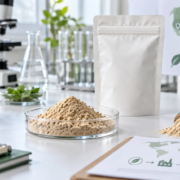
Buyers should ask about the inner packaging first. A sealed foil bag, food-grade liner, or other barrier package may be used depending on the supplier’s standard and the order format. The purpose is simple: keep the powder dry and separated from the outside environment until the buyer is ready to use it.
The outer package should match the shipment plan. Cartons may be suitable for smaller orders. Drums or stronger export cartons may be requested for larger volume or longer routes. If the order will move through multiple warehouses, the buyer should confirm carton strength, pallet plan, labels, and batch coding before shipment.
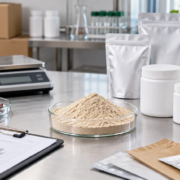
Packaging photos are useful because they remove ambiguity. Ask for photos of the inner bag, outer carton or drum, label, batch number, net weight, and sealing method before release. This is especially helpful when the buyer’s warehouse or contract manufacturer has strict receiving rules.
Private label or customer-specific packaging should be discussed early. A supplier may be able to support custom labels or bag sizes, but stability protection should not be sacrificed for a nicer-looking package. If a new label, pouch, jar, or carton is used, ask how the packaging still protects the powder under the declared storage conditions.
What should a shelf-life statement include?
A shelf-life statement should include the product name, storage conditions, time period, packaging condition, and the basis for the statement. It should not be a vague promise that every shipment will behave the same under any condition.
The most useful shelf-life wording connects the declared period to unopened original packaging and recommended storage. For example, the supplier may state that the product should be kept sealed in a cool, dry place away from direct sunlight and strong odors. The exact wording should come from the supplier’s confirmed specification and quality system.
Buyers should check whether the shelf-life statement matches the COA, label, and proforma invoice. Conflicting dates create receiving problems. If the quote says one period, the label says another, and the COA leaves the field blank, the buyer should pause and request correction before shipment.
Open-package handling deserves separate discussion. Once a bag is opened, the original shelf-life statement may no longer apply in the same way. Contract manufacturers usually want practical instructions: reseal promptly, avoid humid rooms, avoid long open exposure, and use clean scoops or transfer procedures.
Some customers ask for accelerated stability data or retention sample records. That may be reasonable for larger projects or strict markets, but it should be agreed before ordering. If the supplier does not offer a particular study, the article or product page should not imply that it exists.
How can buyers review COA and stability-related tests?
Buyers can review stability-related tests by comparing the product specification, batch COA, sample condition, packaging photos, and storage advice. The COA should be batch-specific and should show the items that matter for release and storage review.
For earthworm peptide powder, buyers commonly look at appearance, odor, moisture, ash, protein or peptide-related indexes, microbiology, heavy metals, and storage conditions where provided. The exact items should come from the supplier’s specification and the buyer’s project requirements. Do not treat a missing value as acceptable just because another supplier included it elsewhere.
Moisture is especially practical because it connects to caking, flow, and general storage risk. Microbiology is also important because biological-source ingredients should be handled with clear hygiene controls. Heavy metals may be requested by buyers or markets that require stricter safety documentation.
Retention samples can help when a buyer reports a concern after delivery. Ask whether the supplier keeps batch retention samples and how long they are stored. This does not replace incoming inspection, but it gives both sides a reference point if odor, color, clumping, or label questions appear later.
| Document or check | What it shows | Buyer use |
|---|---|---|
| Product specification | Routine quality limits and storage guidance | Defines the target before sampling or ordering |
| Batch COA | Actual results for one lot or sample batch | Confirms whether the batch matches the agreed file |
| Packaging photo | Inner bag, label, carton, seal, and batch code | Reduces receiving and warehouse surprises |
| Retention sample policy | Whether a reference sample is kept after release | Supports investigation if a complaint appears |
| Storage statement | Recommended conditions for unopened product | Guides warehouse and customer communication |
What storage conditions should importers and brands plan for?
Importers and brands should plan for sealed, dry, clean, odor-controlled storage away from direct sunlight and unnecessary heat. The supplier’s specific storage statement should guide the final purchase file, warehouse instruction, and customer handover.
Humidity control is the practical starting point. If a warehouse is damp, powders can pick up moisture even when they were correctly produced. Keep cartons off the floor, avoid broken packaging, and use the product promptly after opening. These are ordinary controls, but they prevent many quality conversations from turning into disputes.
Storage separation also matters. Ingredient powders should not sit next to strong-smelling chemicals, fragrances, solvents, or poorly sealed materials. Powders can absorb odors, and once odor transfer happens, it can be hard to prove where the problem began. Good warehouse layout is part of protecting the ingredient.
Buyers should also think about handover points. The supplier controls production and outbound packing. The freight forwarder controls part of the route. The buyer controls receiving and storage. If a stability concern appears later, everyone needs enough records to trace what happened. That means batch labels, receiving photos, storage logs where available, and clear communication with the contract manufacturer.
For hot-season shipping, ask whether the supplier recommends timing adjustments, pallet wrapping, desiccants, or faster transport. Not every shipment needs extra controls, but asking early is cheaper than debating after a container delay.
How should buyers handle samples before stability review?
Samples should be handled like small versions of commercial lots: keep them sealed, dry, labeled, and traceable. A sample that sits open on a desk for weeks is no longer a fair picture of the supplier’s normal product quality.
When the sample arrives, record the courier condition, package integrity, product name, lot number, sample weight, odor, color, and date. If the buyer sends the sample to a contract manufacturer, include storage instructions and the supplier’s product specification. This helps the receiving team review the material under the right context.
Do not split samples casually into unmarked containers. If the QA team, formulation team, and marketing team all need material, divide it with labels and dates. Keep one portion sealed for reference if possible. That small habit can prevent confusion when someone later asks whether a change happened before or after internal testing.
Stability review during sampling should match the intended application. A capsule project may care about flow and odor during filling. A powder blend may care about dispersibility, color, and taste impact. A distributor may care about whether the material can survive normal warehousing and repacking conversations. The right stability questions depend on the project.
What questions belong in a supplier stability checklist?
A supplier stability checklist should cover specification, COA scope, packaging barrier, shelf-life basis, storage conditions, retention samples, sample handling, batch consistency, and complaint response. It should also clarify what the supplier can document and what the buyer must verify in the destination market.
Start with the product identity. The quoted name, sample label, COA, specification, invoice, and website product page should refer to the same ingredient. If the names differ, ask for clarification before you move to price negotiation.
Then review the controls. Ask about moisture limits, routine microbiology, heavy metals where required, packaging type, carton or drum format, storage conditions, shelf-life period, and whether the supplier keeps retention samples. These questions are normal in B2B ingredient sourcing. A qualified supplier should be comfortable answering them within reasonable confidentiality limits.
Finally, ask what happens if a shipment arrives with caking, odor change, damaged cartons, missing labels, or a COA mismatch. You want to know whether the supplier has a clear complaint process, not only whether the salesperson is friendly. Stability review is partly about preventing problems and partly about knowing how problems will be handled if they appear.
- Confirm the product name used across quote, sample, specification, COA, and label.
- Request the current specification and a recent batch COA before approving a bulk order.
- Check moisture, microbiology, heavy metals, appearance, odor, and storage statement where relevant.
- Ask for packaging photos before shipment, including inner bag, seal, label, and outer carton.
- Confirm whether retention samples are kept for the batch.
- Record sample receipt condition and keep one sealed reference portion when possible.
- Ask how the supplier handles stability-related complaints or receiving concerns.
How does stability review support repeat orders?
Stability review supports repeat orders by turning one successful sample into a controlled purchasing pattern. It helps the buyer define what must stay consistent across batches, what variation is normal, and what documents should accompany each shipment.
Repeat orders create a different kind of pressure from first samples. The first sample is about whether the ingredient is interesting. The second and third order are about whether the supplier can reproduce the material, protect it during handling, and provide documents that your customer or contract manufacturer can accept without starting the review again.
Buyers should keep a simple lot history. Record batch numbers, COA values, shipment dates, storage notes, sensory observations, customer comments, and any formulation feedback. Over time, this file helps the team see whether the supplier is consistent. It also helps new purchasing staff avoid repeating old questions.
Stability review also improves negotiation. If you know which packaging format, COA scope, storage condition, and lead time work for your project, you can ask for a quote that reflects the real requirement. That is more useful than chasing a low price and then discovering the package or document file does not fit.
FAQ
Does earthworm peptide powder need cold-chain shipping?
Cold-chain shipping should not be assumed. Buyers should follow the supplier’s confirmed storage recommendation for the specific product and packaging. In many sourcing conversations, dry, sealed, cool, and clean storage is the main requirement, but the supplier’s specification should be the final reference.
Can a shelf-life statement replace incoming inspection?
No. A shelf-life statement explains the supplier’s storage expectation under defined conditions. Incoming inspection still matters because buyers need to check package condition, label match, COA, sensory profile, and any customer-required tests when the material arrives.
What should buyers do if a sample cakes during evaluation?
First check how the sample was stored and whether the package was left open. Then compare the issue with the supplier’s moisture limit, COA, and recommended handling. If the sample was handled correctly, ask the supplier to review retention samples or send a replacement from a documented batch.
Is stability the same as product efficacy?
No. Stability in a B2B ingredient review means the powder remains within agreed quality parameters during storage and handling. It should not be presented as proof of a health outcome, treatment result, or finished-product claim.
Which stability documents should be requested before bulk ordering?
Request the product specification, recent batch COA, storage and shelf-life statement, packaging photos, and label information. For larger or stricter projects, buyers may also ask whether retention samples, third-party testing, or extra customer-specific tests are available.
Send your ingredient inquiry
If you are comparing earthworm peptide powder suppliers, prepare your target specification, application, destination market, sample quantity, packaging preference, and document list. Venacorebio can review your request and discuss whether the available product file fits your sourcing plan.