Wholesale Lumbrokinase Powder Supplier: How B2B Buyers Should Evaluate Bulk Supply
Wholesale Lumbrokinase Powder Supplier: How B2B Buyers Should Evaluate Bulk Supply
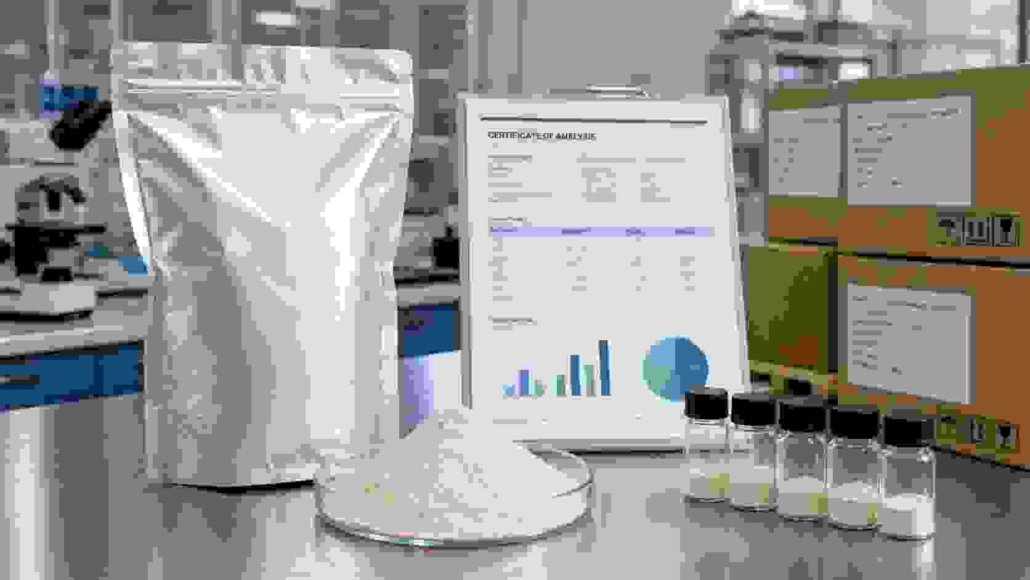
A wholesale lumbrokinase powder supplier should help buyers review specifications, batch documents, sample quality, packaging, lead time, and compliance boundaries before bulk purchasing. Strong supplier conversations stay practical: what is the powder, how is it tested, how is it packed, and what can be repeated on later orders?
Lumbrokinase powder is a specialty enzyme ingredient, so it needs more care than a commodity plant powder. Buyers sourcing bulk lumbrokinase powder should avoid medical promises and focus on verifiable purchasing facts: COA review, test methods, storage needs, batch traceability, and supplier communication.
What makes a wholesale supplier worth shortlisting?
A supplier is worth shortlisting when it can provide clear specifications, batch COAs, stable packaging, realistic lead times, and careful claim boundaries. For lumbrokinase powder, buyers should also check whether the supplier can explain activity testing, raw material control, and repeat-order handling without vague answers.
Wholesale sourcing is partly about price. No one pretends otherwise. But with enzyme ingredients, the cheapest quote can become expensive if the document set is weak or the activity target is unclear. A useful supplier should discuss the powder as a technical raw material, not only as a line item.
| Shortlist factor | What to ask | Good sign |
|---|---|---|
| Specification | Can you share the standard spec? | Clear activity, limits, and appearance details |
| COA | Is each batch tested? | Batch-specific results |
| Packaging | How is powder protected? | Sealed bags, cartons, storage notes |
| Communication | Can you review market needs? | Practical answers without treatment claims |
Which specifications matter most for bulk lumbrokinase powder?
The most important specifications are enzyme activity, appearance, moisture, microbiological limits, heavy metals, particle size when relevant, carrier information, and storage conditions. Buyers should confirm both the target value and the test method behind the value.
Activity is the headline item, but it is not the only item. Moisture affects storage. Microbiology and heavy metals affect quality review. Appearance and odor help incoming inspection teams notice obvious lot differences. If your team has a finished dosage form in mind, powder behavior and excipient policy may also matter.
| Spec item | Why buyers check it | Document to request |
|---|---|---|
| Activity | Core enzyme quality target | COA and specification |
| Moisture | Storage and handling risk | COA and packing note |
| Microbiology | Supplement ingredient suitability | Batch COA |
| Heavy metals | Importer and market review | Batch COA or third-party test |
One practical move is to compare the supplier standard specification with your destination-market checklist before you request a formal quote. That small step can catch mismatched limits before samples are shipped.
How should buyers review samples before a wholesale order?
Buyers should review samples for document match, appearance, odor, packaging condition, COA details, and suitability for their formulation review. A sample is not only a small bag of powder; it is a preview of how the supplier manages the product file.
Ask the supplier to label the sample with product name, batch number, packing date if available, net weight, and storage instructions. The COA should match that sample batch. If the sample arrives with no batch reference, your quality team has less to work with.
- Check whether the sample batch number appears on the COA.
- Record photos of the pouch and label.
- Review color, odor, and powder flow during incoming inspection.
- Keep a retained sample if repeat orders are likely.
- Do not approve marketing claims based only on sample receipt.
What documentation should come with wholesale supply?
Wholesale supply should usually include a product specification, batch COA, packing list, invoice, and agreed support documents such as a flow chart, allergen statement, storage note, or safety data sheet where applicable. The exact document set depends on market and application.
For supplement brands and distributors, documents often travel farther than the sample. They may be reviewed by contract manufacturers, import brokers, marketplace teams, auditors, or retailers. A clean document set can reduce friction. A sloppy one can slow a shipment even when the powder itself is acceptable.
| Document | Main use | Buyer check |
|---|---|---|
| Specification | Defines agreed standard | Compare with internal requirement |
| COA | Reports batch results | Match batch number and test items |
| Flow chart | Explains process overview | Use for supplier file review |
| Packing list | Supports shipment check | Match carton count and net weight |
How do price, MOQ, and lead time connect?
Price, MOQ, and lead time are connected through batch planning, packaging size, document needs, and current inventory. A lower unit price may require a larger order, while urgent delivery may limit packaging or testing choices.
Buyers often ask for the lowest MOQ first. That is understandable. Still, the better question is what order size gives stable quality, reasonable freight, and a path to repeat purchasing. Tiny trial orders may be useful, but they do not always reflect commercial-order economics.
- Ask for sample, pilot-order, and commercial-order pricing.
- Confirm whether standard documents are included.
- Separate product lead time from shipping time.
- Check whether custom packaging changes MOQ.
- Ask how long the quote remains valid.
How can buyers avoid risky health language?
Buyers can avoid risky health language by keeping supplier conversations focused on ingredient identity, quality, testing, dosage-form planning, and documentation. Do not ask the supplier to promise disease outcomes, and do not copy dramatic health claims into labels or ads.
This point matters because lumbrokinase is often discussed in health contexts. That does not give a brand permission to make treatment claims. FDA dietary supplement rules and FTC advertising standards both require care. Other markets may be stricter, especially for enzyme ingredients.
A solid supplier does not need exaggerated claims to explain value. The value is in reliable powder, clear COAs, stable packing, and responsible communication. For B2B buyers, that quiet evidence is far more useful than a big promise.
Frequently Asked Questions
What should I ask a wholesale lumbrokinase powder supplier first?
Start with activity target, MOQ, sample availability, batch COA, packaging, lead time, and destination market. These items let the supplier answer with usable details.
Can lumbrokinase powder be used for capsules?
It can be reviewed as an ingredient for capsule projects, but the final formula, serving size, label, and claims should be checked by your technical and compliance teams.
How do I compare two bulk lumbrokinase powder quotes?
Compare activity, test method, COA items, packaging size, MOQ, lead time, sample policy, and included documents. Do not compare price alone.
Should I request third-party testing?
Third-party testing can be useful when your importer, retailer, or internal quality team requires extra verification. Confirm the required test items before arranging it.
What is a common mistake in wholesale lumbrokinase sourcing?
A common mistake is asking for price before defining activity, documents, packaging, and market requirements. That creates quotes that look comparable but are not.
Send Your Lumbrokinase Inquiry to Venacorebio
Tell us your target specification, sample needs, order quantity, dosage form, packaging plan, and destination market. Venacorebio can help you review document needs and bulk supply details for lumbrokinase powder before you move into purchasing.