
How to Evaluate Earthworm Protein Suppliers: A Practical B2B Buyer Guide

How to Evaluate Earthworm Protein Suppliers: A Practical B2B Buyer Guide
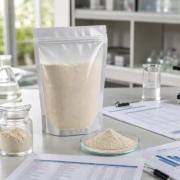
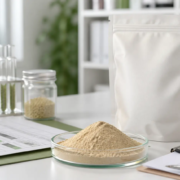
Evaluating earthworm protein suppliers is really about reducing uncertainty before money, samples, labels, and freight are involved. A buyer should check whether the supplier can define the material, document the batch, provide realistic specifications, support sample testing, and communicate without making unsupported health promises. The first natural product keyword in the file should point to the real product page, so here it is: earthworm protein powder for B2B ingredient sourcing and formulation review.
Earthworm protein can be interesting for functional food, supplement, animal nutrition, and specialty ingredient teams, but interest is not enough. Buyers need a supplier who can answer plain questions clearly. What is the protein basis? What does the COA show? Is the sample from routine production? Can the same grade be supplied again? What documents support export, import, and finished-product review?
This guide keeps the evaluation practical. No miracle language. No dramatic promises. Just the supplier checks that help a brand decide whether the ingredient can move from curiosity to a controlled B2B purchase.
What should buyers confirm first when reviewing an earthworm protein supplier?
Buyers should first confirm product identity, intended application, specification range, documentation availability, and whether the supplier has experience with export-oriented B2B orders. These first checks prevent a common mistake: judging a supplier by a nice quote before knowing whether the material fits the project.
Start with the product name. Is the supplier selling earthworm protein, earthworm protein powder, earthworm peptide, or a blended ingredient? The terms may sound similar, but they are not always interchangeable. Protein powder may be positioned around protein content and nutritional formulation. Peptide powder may involve hydrolysis and smaller peptide fractions. A buyer should ask the supplier to write the product name, grade, and intended B2B use in the same document as the specification.
Then ask for the basic commercial file: specification sheet, sample COA, allergen or GMO statement when relevant, heavy metals and microbial results, packing details, MOQ, lead time, and export documents. A serious supplier does not need to overwhelm the buyer with every internal record at the first email, but it should be able to provide a clean starter package.
One small clue matters: how the supplier answers questions. If every reply is a slogan, the buyer may struggle later. If the supplier answers in product terms, batch terms, and document terms, the review can move forward with less friction.
How can buyers tell whether the specification is useful?
A useful specification tells the buyer what the ingredient is expected to be, which quality ranges apply, and how the material should be judged before purchase. It should be specific enough to guide sample testing and repeat orders.
For earthworm protein, buyers may review protein content, moisture, ash, particle size, appearance, odor, microbial limits, heavy metals, and packaging format. The exact list depends on the supplier’s grade and the buyer’s market, but vague lines such as “high protein” or “premium quality” are not enough. Buyers need numbers, methods where relevant, and acceptance criteria.
Protein content deserves special care. Ask whether the value is reported on an as-is basis or dry basis, and which method is used. Moisture can affect comparison, so two suppliers may look different simply because the reporting basis differs. That is not a tiny detail. It can change how a formulation team reads cost, dosage, and label math.
A good specification also supports internal communication. Procurement, R&D, QA, and regulatory staff should be able to look at the same sheet and understand what is being purchased. If the specification raises more questions than it answers, ask for a revised version before moving to bulk price negotiation.
Which documents should an earthworm protein supplier provide?
A supplier should provide a specification sheet, sample COA, batch COA, contaminant tests, basic compliance statements, packing information, and export-related documents when needed. These documents help the buyer review quality, label fit, and import readiness.
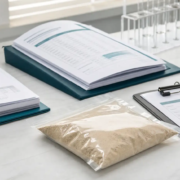
The COA is often the first file buyers request, but it should not float alone. It should connect to a batch number and match the product offered. A COA for a different grade, a different date, or a generic sample can be useful for early discussion, but it should not be treated as proof for a paid shipment.
| Document | Why it matters | Buyer review point |
|---|---|---|
| Specification sheet | Defines expected quality ranges | Check protein basis, moisture, mesh, and limits |
| COA | Shows batch-level test results | Confirm batch number and test date |
| Heavy metals report | Supports contaminant review | Compare limits with destination market needs |
| Microbial test | Supports hygiene and safety review | Look for pathogens and total counts |
| Packing list details | Supports warehouse and import planning | Confirm net weight, pack type, and labels |
Some buyers also ask for third-party testing before the first bulk order. That can be reasonable, especially for new suppliers or strict markets. The key is to connect the test to the exact material under review. A lab report is strongest when it names the same product, lot, and sample source.
How should buyers evaluate sample quality?
Buyers should evaluate sample quality by checking the documents, sensory profile, physical handling, lab results, formulation behavior, and whether the sample represents normal commercial production. A sample should be treated as a controlled review item, not as a casual free gift.
Start with simple observations. Record color, odor, powder flow, visible impurities, clumping, and how the powder disperses in the intended test system. These notes may sound basic, but they help compare multiple suppliers fairly. If the team only says “Sample A looks better,” the conversation becomes subjective. If the team records moisture, color range, dispersion, and internal comments, the decision becomes easier.
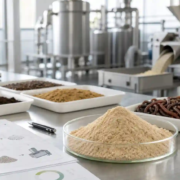
Next, test what matters for the application. A functional food team may care about flavor impact and blending. A supplement brand may care about capsule filling and label basis. An animal nutrition customer may care about bulk handling and cost per active nutrient target. Different applications need different sample checks, and that is fine.
Ask one direct question before approval: “Can the first commercial batch match this sample?” If the answer is weak, slow down. A beautiful sample from a special small batch does not help if bulk production looks, smells, or tests differently.
What supplier questions reveal quality culture?
Supplier questions reveal quality culture when they show whether the factory thinks in batches, specifications, records, and repeat supply. A supplier with a mature quality culture usually gives concrete answers instead of only saying “do not worry.”
Ask how incoming raw material is controlled, how batches are numbered, how deviations are handled, and how finished goods are released. Ask whether the same grade has been supplied to similar B2B customers, without requesting confidential customer names. Ask what happens if a batch does not meet specification. The answer should show a process, not panic.
Also watch whether the supplier respects claim boundaries. If a supplier tries to sell earthworm protein with disease language, that is not only a marketing issue. It can signal weak compliance habits. Responsible ingredient suppliers know that raw material education, finished-product claims, and consumer health statements are separate areas.
Good quality culture feels calm. The supplier may not answer every question instantly, but the answers should be traceable and consistent. If the sales reply, COA, label, and invoice all describe the product differently, the buyer has found a real risk before payment. That is useful, even if it feels annoying at the time.
How should buyers compare pricing without missing hidden costs?
Buyers should compare earthworm protein pricing together with specification, test cost, sample performance, MOQ, lead time, packaging, freight, and documentation support. A lower unit price can become expensive if the material needs extra testing, reformulation, or delayed import clearance.
Price per kilogram is easy to compare. Cost per approved kilogram is harder, and usually more useful. If one supplier has a slightly higher price but provides a clearer specification, better batch documents, lower moisture variation, and suitable packaging, the total purchase risk may be lower. Procurement teams know this already, yet pressure for low quotes can make teams forget it.
Use a simple comparison view so the discussion stays concrete.
| Comparison factor | Supplier A | Supplier B | Why it affects real cost |
|---|---|---|---|
| Protein reporting basis | Clearly stated | Unclear | Unclear basis can distort value comparison |
| COA quality | Batch-specific | Generic | Generic files may require extra verification |
| Sample match | Routine production lot | Special sample only | Commercial batch may differ |
| Packaging | Export-ready packs | Loose pack options | Weak packaging can create receiving issues |
| Communication | Specific and timely | Slow and vague | Delays affect launch planning |
This does not mean buyers should ignore price. It means price should be read with the specification beside it. A cheap powder that cannot pass internal review is not cheap. It is postponed trouble.
What compliance risks should buyers avoid?
Buyers should avoid suppliers that make unsupported health promises, provide inconsistent product names, refuse basic batch documents, or push marketing claims without market review. Earthworm protein should be evaluated as an ingredient, not sold as a guaranteed medical result.
Compliance risk can enter through small wording choices. A supplier may write aggressive claims in a brochure, on a label draft, or in email. The buyer should not copy those claims into product pages, ads, Amazon listings, or distributor materials without review. Finished-product claims depend on the destination market, product category, formulation, label language, and evidence file.
Ask suppliers for neutral product language. For example, “earthworm protein powder for formulation and ingredient sourcing” is safer than promises about curing or preventing conditions. If a supplier cannot separate ingredient supply from consumer health claims, the buyer should bring in regulatory review before moving forward.
For AI search visibility, compliance-friendly content is also more durable. Search systems are cautious around health topics. Pages that explain specifications, documents, and sourcing logic are easier to cite than pages full of dramatic promises. That is not glamorous, but it works for serious B2B buying decisions.
How can buyers judge communication and service quality?
Buyers can judge communication quality by testing whether the supplier answers specific questions, follows document requests, confirms timelines, and records agreed details accurately. Service quality is not just friendliness; it is the ability to keep a purchase project organized.
Send a structured inquiry and watch the reply. A strong supplier will answer the product grade, MOQ, sample availability, lead time, documents, packaging, and payment terms in a clear format. A weak supplier may answer only the easiest question and ignore the rest. That pattern rarely improves after the order is placed.
Good communication also means saying “we need to confirm” when needed. That is better than inventing an answer. If a buyer asks about a market-specific requirement, the supplier should either provide existing documents or state what needs review. Honest limits are part of trust.
For repeat supply, service details matter. Can the supplier reserve production slots? Can it support private-label packing or neutral cartons? Can it send documents before shipment? Can it help with sample retesting? A supplier who handles these details smoothly can make the buyer’s internal work much easier.
What checklist should buyers use before placing a first order?
Before placing a first order, buyers should confirm the product file, sample results, commercial terms, packaging, compliance review, and shipment plan. The checklist should be completed before payment, not after the goods are already packed.
- Confirm the exact product name, grade, and protein reporting basis.
- Review the specification sheet, sample COA, and batch document format.
- Test the sample for appearance, odor, flow, dispersion, and required lab items.
- Ask whether the bulk batch will match the approved sample.
- Confirm MOQ, lead time, payment terms, and shipping route.
- Review label and claim language for the destination market.
- Check inner packaging, outer packaging, label fields, and storage statement.
- Agree on what happens if a batch does not meet the specification.
This checklist may look basic, but it prevents many first-order headaches. The value is not only in the answers. The value is in how the supplier handles the review. A supplier who treats the checklist seriously is usually easier to work with when the project becomes larger.
How should buyers move from first order to repeat supply?
Buyers should move from first order to repeat supply by saving the approved specification, batch records, sample notes, supplier emails, and packaging details as a reference file. Repeat supply is easier when both sides can compare new lots against the approved first-order file.
After the first shipment arrives, review the goods before blending, packing, or relabeling. Compare the received batch COA with the pre-shipment file. Inspect packaging condition, label details, odor, color, clumping, and any warehouse notes. If the material goes into formulation testing, record the results beside the supplier batch number.
For the second order, do not restart from zero. Ask the supplier to quote against the same grade and state any changes in raw material, process, specification, packaging, or lead time. If there are changes, decide whether they require a new sample. This habit sounds strict, but it keeps teams from assuming continuity where none has been confirmed.
The long-term goal is a boring supply rhythm: same product file, predictable documents, stable lead time, clean communication, and no surprise claim language. Boring is underrated. In ingredient supply, boring often means the buyer can focus on selling the finished product instead of chasing missing papers.
FAQ
What is the first thing to ask an earthworm protein supplier?
Ask for the exact product name, grade, specification sheet, sample COA, MOQ, lead time, and intended application. These details show whether the supplier can support a real B2B review.
How do I compare earthworm protein powder samples?
Compare documents, protein reporting basis, moisture, appearance, odor, flow, dispersion, lab results, and whether the sample matches routine production. Keep written notes for each supplier.
Should I trust a supplier that makes strong health claims?
Be careful. Strong health claims may create compliance risk. A reliable supplier should focus on ingredient specifications, documents, quality controls, and market-specific claim review.
Do I need third-party testing before ordering?
Third-party testing is useful for new suppliers, strict markets, or larger first orders. The report should connect to the same sample or batch being purchased.
What makes one earthworm protein supplier better than another?
A better supplier usually provides clearer specifications, batch-specific documents, representative samples, stable communication, suitable packaging, and realistic compliance support.
Send Your Ingredient Inquiry to Venacorebio
Tell us your target protein range, application, sample quantity, packaging needs, documentation requirements, and destination market. Venacorebio can help you review bulk earthworm protein options for formulation, testing, and commercial supply.






Leave a Reply
Want to join the discussion?Feel free to contribute!