Earthworm Peptide Certificates Explained: What B2B Buyers Should Request

Earthworm Peptide Certificates Explained: What B2B Buyers Should Request
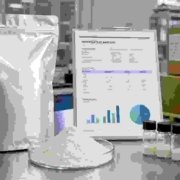
Earthworm peptide certificates help buyers connect a sample, a specification, and a shipment to a reviewable quality file. For B2B teams evaluating earthworm peptide powder, the useful documents usually include a specification sheet, COA, MSDS, storage and packing details, and any destination-specific statements that the buyer’s importer or customer requires. The goal is not to collect impressive files. The goal is to confirm whether the available documents fit the project before sampling or payment.
Certificate language can be confusing because buyers often use one word to mean many things. One buyer may ask for “certificates” and expect a COA. Another may mean ISO, GMP, organic, halal, kosher, allergen, origin, non-GMO, heavy metal testing, or import documents. A supplier can only answer clearly when the request is specific.
This guide explains certificate and document review for earthworm peptide powder in supplement-grade and nutraceutical raw material sourcing. It does not promise that every document exists for every batch, country, or product grade. It also does not treat earthworm peptide powder as a finished medicine or make health outcome claims.
What does a certificate mean in an earthworm peptide purchase?
In an earthworm peptide purchase, a certificate usually means a document that supports product identity, batch quality, safety handling, regulatory screening, or shipment review. The buyer should ask which exact document is needed instead of using the broad word “certificate” alone.
The most common starting documents are the product specification and the certificate of analysis. The specification describes the routine target for the product. The COA records selected test results for a specific batch or representative sample. Together, they help the buyer decide whether the material is worth testing and whether the supplier can support repeat orders.
Other files serve different purposes. An MSDS or SDS helps with material handling and storage communication. Packing details help the warehouse and importer understand bag size, carton count, storage conditions, and label fields. Origin, allergen, GMO, irradiation, TSE/BSE, residual solvent, or similar statements may matter in some markets, but they should be requested only when relevant to the buyer’s checklist.
Venacorebio’s quality document page explains that COA, TDS or specification sheet, and MSDS are core documents buyers usually request, while document availability depends on product, batch, supplier capability, and destination requirements. That is the right mindset for certificate review: confirm the real file, the real batch, and the real market need.
Which product facts should appear in the specification sheet?
The specification sheet should identify the product and list the routine quality targets that future batches are expected to meet. For earthworm peptide powder, buyers should check product name, source, appearance, processing route, protein or peptide-related indexes, moisture, ash, microbiology, heavy metals, packing, storage, and shelf life.
Venacorebio’s earthworm peptide product page lists Earthworm Peptide Powder as the product name, fresh earthworm from Lumbricus rubellus or Eisenia fetida as the material source, light yellow to brown powder as appearance, and enzymatic hydrolysis as the technology process. It also lists protein at 65% or higher, peptide content above 30%, moisture at 7.18% or lower, ash at 5.6% or lower, special fishy smell, 1 kg per bag and 10 kg per carton packing, cool dry storage, and a 2-year shelf life.
Those values are useful for buyer screening, but the buyer should still request a current specification and batch COA before approval. Website information can help the buyer ask better questions. It does not replace the document file tied to a real sample or shipment.
Read the specification as an agreement, not as marketing copy. Ask whether each listed item is routinely tested, periodically tested, or stated from process control. Ask whether peptide content and protein content are measured by the same method every time. Ask whether the moisture and microbiology limits are release criteria for each batch. These questions make the supplier’s quality process visible.
| Specification item | Why buyers check it | Question to ask |
|---|---|---|
| Product name and source | Confirms identity across quotation, sample, COA, and invoice | Does the name match every document and label? |
| Protein and peptide indexes | Shows the product’s composition focus | Which method is used and is it routine for release? |
| Moisture and ash | Supports powder quality and storage review | Are these values checked against the latest batch? |
| Microbiology and heavy metals | Supports buyer QA and import screening | Do the limits match the destination market or customer checklist? |
| Packing and shelf life | Connects document review to shipping and warehouse handling | Will the sample and bulk order use the same packing plan? |
What does a COA prove for earthworm peptide powder?
A COA proves selected test results for a specific batch, sample, or representative lot. It does not prove that every future batch will be identical, that all import rules are satisfied, or that finished-product claims are allowed.
The buyer should first match the COA to the sample. Check product name, batch number, production or release date, test items, limits, actual results, and approval information. If the sample label uses one product name and the COA uses another, ask the supplier to clarify before sending the sample to a customer or contract manufacturer.
For earthworm peptide powder, composition, solubility, moisture, microbiology, heavy metals, sensory profile, storage, and packaging can all matter depending on the project. A drink powder developer may care about dispersibility and sensory behavior. A capsule brand may care about flow, odor, moisture, and incoming QC. A distributor may care about stable document language and carton-level supply. The COA should be reviewed against the intended use, not in isolation.
A clean COA is helpful, but it should not be stretched beyond its role. It is one part of supplier qualification. The buyer may still need internal testing, third-party testing, import review, label review, or customer approval. A supplier that presents the COA honestly is easier to work with than one that treats it as proof of everything.
Which certificate requests are often misunderstood?
Certificate requests are often misunderstood when buyers ask for broad labels such as GMP, organic, halal, kosher, non-GMO, allergen-free, pharmaceutical grade, or export certificate without naming the exact project requirement. Each file has a different purpose and may depend on product grade, facility, batch, and destination rules.
GMP, DMF, CEP, and pharmaceutical API documents are especially sensitive. Venacorebio’s quality page states that the site mainly targets supplement-grade and nutraceutical raw material projects and does not assume GMP, DMF, or CEP files are available. If a buyer’s project requires those documents, the buyer should send the exact checklist before sampling and wait for confirmation.
Halal, kosher, organic, vegan, allergen, origin, and GMO-related statements can also create confusion. Some may apply to a facility, some to a batch, some to raw material, and some to a finished product. A buyer should specify which document is required, who will review it, and whether a supplier statement is enough or a third-party certificate is required.
Import documents are another broad area. A supplier may help collect available documents, but import licensing and market acceptance are handled by the buyer, importer, or local regulatory team. The safest purchasing path is to send the destination country and checklist early, then confirm fit before payment.
How should buyers review MSDS, storage, and handling files?
Buyers should review MSDS, storage, and handling files as practical support for transport, warehouse control, and internal safety communication. These files do not replace the COA, but they help the material move through the supply chain with fewer questions.
An MSDS or SDS typically gives handling, storage, exposure, transport, and emergency information. For a powder ingredient, the buyer’s logistics and warehouse team may need this file before import or receiving. It is not a marketing document and should not be used to make consumer-facing claims.
Storage instructions matter because powder quality can change after release if the material is exposed to moisture, heat, strong odors, or damaged packaging. Venacorebio’s product page lists cool, dry storage and a 2-year shelf life for earthworm peptide powder. Buyers should confirm whether the same storage condition appears on the current specification, label, and shipment documents.
Handling files also help when a sample moves across teams. The sample may pass through procurement, QA, formulation, and external testing. If each team understands storage, resealing, odor control, and sample identity, the review becomes cleaner. Poor sample handling can create false complaints that do not reflect the supplied batch.
How can buyers build a certificate checklist before asking for samples?
Buyers can build a certificate checklist by separating product quality files, safety handling files, market compliance files, customer-requested files, and shipment files. This structure helps the supplier answer quickly and helps the buyer see what is missing.
Start with the product quality file: specification and COA. Add safety and handling: MSDS, storage, shelf life, and packing details. Add market review: destination country, product category, and any importer checklist. Add customer requirements: retailer limits, private-label brand rules, or contract manufacturer incoming QC. Add shipment needs: invoice description, packing list, label fields, carton count, and courier route.
The checklist should be realistic for the project stage. Early screening may only need a product specification and representative COA. Sample approval may need current sample COA, MSDS, packing, and storage details. Bulk purchase approval may need batch-specific COA, packing photos, label check, and any market-specific statements. Repeat supply may need updated documents for each batch.
A clear checklist also makes missing documents less dramatic. If a file is unavailable, the supplier can say so, and the buyer can decide whether the project can continue. That is better than discovering the gap after the sample is approved or the deposit is paid.
| Checklist group | Typical document | Buyer decision it supports |
|---|---|---|
| Quality identity | Specification sheet, COA | Whether the sample and batch match the intended material |
| Safety handling | MSDS or SDS, storage guidance | Whether logistics and warehouse teams can handle the powder |
| Compliance screening | Destination-specific statements when available | Whether importer or customer review can continue |
| Shipment support | Packing list details, label information, invoice description | Whether the goods can move and be received cleanly |
| Repeat supply | Updated batch COA, retained sample notes, change communication | Whether later orders can be compared with the approved sample |
What warning signs should buyers watch for?
Buyers should watch for mixed product names, missing batch numbers, certificates that do not match the sample, unsupported health claims, unclear activity or composition methods, and refusal to explain document limits. These signs do not always mean the supplier is unusable, but they require follow-up before approval.
Mixed naming is a common problem. One file may say earthworm peptide powder, another may say protein powder, and the label may use a broad animal extract term. If the names do not match, the buyer should request corrected or clarified documents before internal review. Traceability starts with names and batch numbers.
Another warning sign is a certificate that looks impressive but is not relevant. A facility certificate may not prove a batch result. A representative COA may not prove the shipment lot. A broad supplier statement may not meet a customer’s third-party certificate requirement. Ask what the document proves and what it does not prove.
Health claims should also be handled carefully. Earthworm-derived ingredients may appear in health-related searches, but B2B certificate review should stay with product identity, quality, safety handling, and market compliance. If a supplier uses certificate documents to imply treatment or disease claims, the buyer should keep that language out of the purchase file.
How should certificates support repeat orders?
Certificates support repeat orders when they create a consistent way to compare each new batch with the approved sample and original specification. Repeat supply depends on document rhythm, not only the first approved sample.
For each repeat order, the buyer should ask whether the product name, specification, COA scope, packaging, storage, and label format remain the same. If any item changed, the supplier should explain the change before shipment. Small changes can matter when the buyer’s customer uses strict incoming inspection.
Batch COAs should be saved with purchase order records, sample photos, sensory notes, incoming QC results, and customer feedback. This creates a practical history. If a later batch has a different odor, color, moisture value, or dispersibility behavior, the team can compare facts instead of relying on memory.
Repeat certificate review should also include communication. A supplier that sends updated documents clearly and admits document limits is usually easier to manage than a supplier that sends scattered files after repeated reminders. Documents are part of product quality because they shape whether the buyer can use the material confidently.
FAQ
What is the most important earthworm peptide certificate to request first?
Start with the product specification and COA. The specification shows routine targets, while the COA shows selected results for a batch or representative sample.
Does a COA prove that earthworm peptide powder can be sold in every market?
No. A COA supports batch quality review. Import acceptance, product classification, label language, and finished-product claims still need review in the target market.
Should buyers ask for GMP, DMF, or CEP documents?
Only ask when the project truly requires them, and send the exact checklist first. These documents are not assumed for supplement-grade and nutraceutical raw material sourcing.
What should I do if the sample label and COA use different product names?
Pause the approval process and ask the supplier to clarify or correct the file. The product name should be consistent across quotation, sample label, COA, invoice, and packing documents.
Can one certificate cover all future earthworm peptide orders?
No. Repeat orders should be supported by updated batch documents, especially the COA, and any changes in specification, packing, storage, or batch identity should be explained before shipment.
Send Your Ingredient Inquiry to Venacorebio
Tell us your target specification, order quantity, destination country, application, and document checklist. Venacorebio can help you review bulk earthworm peptide powder COA questions, specification details, sample documents, packing, and certificate fit before you move toward a bulk order.