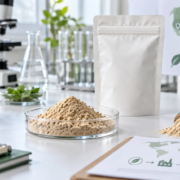
Earthworm Peptide Sample Request Guide: What B2B Buyers Should Prepare

Earthworm Peptide Sample Request Guide: What B2B Buyers Should Prepare
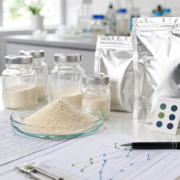
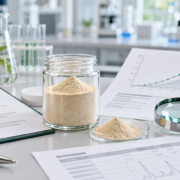
An earthworm peptide sample request works best when the buyer treats it as the first step in supplier qualification, not as a casual product inquiry. A useful request explains the intended application, target document set, destination market, testing plan, sample quantity expectations, and decision timeline. Buyers evaluating earthworm peptide powder should prepare enough context for the supplier to recommend the right sample, documents, packing, and next commercial step.
Sample conversations often become slow when the first message only asks for price or availability. The supplier then has to ask follow-up questions about product grade, quantity, use case, documents, shipping route, and whether the sample is for formulation, customer approval, distributor review, or internal screening. A structured request saves time for both sides and reduces the chance that the buyer tests a sample that does not match the future order plan.
This guide is written for supplement brands, functional food developers, ingredient importers, distributors, and contract manufacturers. It focuses on sourcing, quality review, document control, and responsible communication. It does not provide medical advice or finished-product claim language.
What should an earthworm peptide sample request include?
An earthworm peptide sample request should include the product name, intended application, destination country, expected order size, document needs, testing plan, shipping details, and the decision criteria the buyer will use after receiving the sample. The clearer the request, the easier it is for the supplier to send a relevant sample and matching files.
Start with the business context. A buyer testing earthworm peptide powder for a capsule project may need different information from a distributor screening several raw materials for a product catalog. A functional food team may care more about sensory behavior, color, odor, dispersibility, and heat exposure. A procurement team may care first about MOQ, lead time, and export documents. All of these are valid, but they should be stated at the beginning.
Then describe the sample purpose. Is this a first look for product development, a customer demonstration, a contract manufacturer trial, a document review, or a repeat-order comparison? The purpose affects what the supplier should send with the sample. For example, a formulation trial may need a representative COA, storage guidance, and basic handling notes, while a distributor review may need a broader document package for internal approval.
Buyers should also state whether they need a small screening sample or a paid sample with a specific quantity. Do not assume that every supplier has the same sample policy, sample size, courier option, or lead time. Asking early makes the quotation more practical.
Why does sample context matter before price discussion?
Sample context matters because price only becomes meaningful when the supplier knows the product grade, document scope, order plan, packing expectation, and shipping destination. Without that context, a quote may look attractive but fail during QA review or formulation testing.
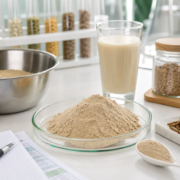
Earthworm peptide powder is usually evaluated as a raw ingredient. Buyers may compare appearance, odor, powder behavior, document quality, and supplier response. These factors are not visible in a unit price alone. A low sample quote is not helpful if the supplier cannot provide a consistent product name, matching COA, storage statement, or export-ready communication.
Context also helps the supplier avoid sending the wrong material. A buyer may use the phrase earthworm peptide, earthworm peptide powder, or earthworm protein peptide. The supplier should confirm the intended product and ensure the sample label and documents use consistent wording. If the buyer already has an internal product code or approved ingredient name, include it in the request.
A complete request can also reveal constraints early. If the buyer needs third-party testing, neutral packing, a specific shipment route, or a document format required by a customer, those details should be discussed before the sample is prepared. Late requests often create delays and extra cost.
Which documents should come with the sample?
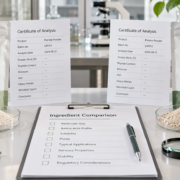
The most useful sample documents usually include a product specification, representative or sample-related COA, storage guidance, basic packing information, and safety or handling document where available. The exact file set should match the buyer’s stage and destination-market review.
The specification helps the buyer understand product identity, appearance, routine test items, storage language, and the general quality target. The COA shows selected test results for a representative or actual lot. Buyers should check whether the COA is tied to the sample lot, a current stock batch, or a reference batch used for screening. If this is unclear, ask the supplier before internal testing begins.
Document names should match. If the sample label says earthworm peptide powder, the specification and COA should not use unrelated product wording without explanation. Consistency is especially important when a buyer has multiple internal reviewers. Procurement, QA, formulation, and regulatory teams may each look at the file from a different angle.
Some buyers need additional statements, such as source declaration, allergen information, country of origin, non-GMO statement, or customer-specific forms. These should be requested early and reviewed case by case. A supplier should not invent certifications or documents it does not hold, and the buyer should not expect destination compliance approval from a raw material supplier alone.
| Document | What it helps confirm | Buyer review point |
|---|---|---|
| Specification sheet | Product identity, appearance, routine limits, storage | Does it match the requested sample? |
| COA | Representative or batch test results | Is the lot, date, and product name clear? |
| Sample label | Physical sample identity and traceability | Does it match the documents? |
| Packing information | How the material is sealed and shipped | Can the buyer store and handle it correctly? |
| Safety or handling file | Basic handling and storage communication | Is the version current and product-specific? |
How should buyers define the testing plan?
Buyers should define the testing plan before requesting a sample because the sample should be evaluated against the same questions that will decide a commercial order. The plan may include visual inspection, odor review, moisture-sensitive handling, formulation trial, document review, customer feedback, and internal quality testing.
A capsule or tablet project may need flow behavior, blending compatibility, and sensory review with planned excipients. A powder drink or functional food project may need dispersibility, color, odor, and taste masking checks. A distributor may focus more on document completeness, sample appearance, label clarity, and customer questions. The testing plan should reflect the real project rather than a generic curiosity sample.
Buyers should keep notes during sample testing. Record the sample code, received date, storage condition, test method used internally, observations, and any differences between sample documents and physical material. These notes become useful when comparing suppliers or confirming whether a later bulk batch matches the approved sample.
If the buyer plans external lab testing, tell the supplier which items matter most. Some tests require larger sample quantities, specific packaging, or longer timelines. The supplier may need to prepare a paid sample rather than a small screening pack.
What information helps the supplier quote the next order?
The supplier can quote the next order more accurately when the buyer provides target quantity, destination country, preferred packing, document checklist, lead time, and whether the order is for trial production, distribution, or repeat supply. A sample request should already point toward the likely commercial path.
Quantity matters because sample approval does not automatically define bulk packing, freight method, or production planning. A trial order may need flexible packing and fast shipping. A larger order may require stock confirmation, production scheduling, pre-shipment document review, and freight coordination. Buyers should ask how sample approval connects to bulk supply.
Destination matters because export documents, courier options, and import review differ by country and product category. The supplier can support the file, but the buyer should confirm local requirements with its own team or customer. If a market has strict label, document, or ingredient review expectations, send those requirements before quotation.
Payment and timeline also belong in the discussion. If the buyer needs a sample by a trade show, customer meeting, or factory trial date, state the deadline. If the buyer requires documents before payment or before final shipment, state that as well. Clear timing avoids pressure later.
How can buyers avoid claim and compliance problems?
Buyers can avoid claim and compliance problems by keeping the sample request focused on ingredient identity, specification, testing, handling, packing, and application fit. Health benefit claims, disease language, dosage advice, and finished-product promises should be reviewed separately under the buyer’s target-market rules.
Earthworm-derived ingredients can appear in health-related online searches, but a B2B sample request should not turn into medical communication. The supplier can discuss raw material facts, document availability, sample support, and general application categories. It should not be asked to provide disease treatment language or guarantee finished-product results.
This boundary protects both sides. The supplier avoids unsupported claims, and the buyer receives a cleaner file for internal review. If the buyer’s marketing team later wants to make consumer-facing claims, those claims should be evaluated against local regulations, product formulation, evidence level, and label rules.
For ingredient sourcing, the most useful language is factual: product name, sample code, specification, storage, document scope, packing, and intended development use. That is enough to move the sample through a professional review process.
How should buyers compare samples from different suppliers?
Buyers should compare samples from different suppliers using the same criteria: product identity, document consistency, sample traceability, powder appearance, sensory observations, formulation behavior, response quality, packing, lead time, and quote conditions. A side-by-side sheet is better than relying on memory.
Do not compare samples only by color or price. One sample may look clean but have weak documents. Another may have a strong COA but poor communication. A third may be acceptable technically but too slow for the buyer’s launch schedule. Supplier choice is a combined sourcing decision.
Use the same internal test method for each sample where possible. If one sample is tested in capsules and another is only visually checked, the comparison is incomplete. Record whether the sample was free or paid, whether the COA matched the sample, and whether the supplier answered follow-up questions clearly.
Buyers should also ask how repeat supply will be controlled. Sample approval only matters if future shipments can be connected to the same product standard. Ask about batch COA timing, retained sample policy where available, packing consistency, and whether the supplier can support repeat orders under the same product name.
| Comparison factor | Useful question | Why it matters |
|---|---|---|
| Product identity | Do sample, quote, and documents use the same name? | Prevents internal QA confusion |
| COA match | Does the COA relate to the sample or only a reference batch? | Clarifies how much the document supports testing |
| Handling behavior | How does the powder look, smell, flow, and blend? | Supports formulation review |
| Supplier response | Are answers specific and document-based? | Shows whether commercial support is reliable |
| Order path | Can the supplier explain MOQ, lead time, packing, and export files? | Links sample approval to purchasing |
Buyer checklist before sending a sample request
Use this checklist before contacting an earthworm peptide supplier:
- Confirm the exact product name you want to evaluate.
- State the intended application and destination country.
- Explain whether the sample is for formulation, customer approval, distributor review, or QA screening.
- List the documents needed with the sample.
- Share preferred sample quantity or ask what sample options are available.
- Describe any internal or third-party testing plan.
- Ask whether the sample can connect to later bulk supply.
- Confirm shipping details, receiver information, and deadline.
- Keep health claims out of the raw material request.
- Record all sample codes, documents, and observations in one file.
This checklist helps turn a sample request into a repeatable supplier review. It also gives the supplier enough information to respond with practical documents and a realistic path toward quotation.
FAQ
Can buyers request an earthworm peptide sample before confirming bulk quantity?
Yes. Buyers can request a sample during early screening, but they should still share the likely application, destination, and order direction. That context helps the supplier send a relevant sample and document set.
Should the sample COA match the exact sample lot?
That is ideal when available. If the supplier provides a representative COA instead, buyers should ask whether it is for screening only and when a current batch COA can be provided for purchase approval.
How much sample should a buyer request?
The amount depends on the test plan. A visual and document review may need less material than a formulation trial or third-party lab test. Buyers should explain the planned checks before asking for quantity.
Can a sample prove that future bulk orders will be identical?
No. A sample supports evaluation, but future orders should still be reviewed through batch COA, product name consistency, packing checks, and supplier communication before shipment.
Should health benefit language be included in a sample request?
No. A raw material sample request should focus on identity, specification, documents, testing, storage, packing, and application fit. Finished-product claims need separate compliance review.
Send your ingredient inquiry with sample purpose, destination country, application, document checklist, target quantity, and testing plan. Venacorebio can help review whether the current earthworm peptide powder option fits your B2B sampling and sourcing workflow.