Requesting Earthworm Protein Samples: What to Expect Before a Bulk Order
Requesting Earthworm Protein Samples: What to Expect Before a Bulk Order
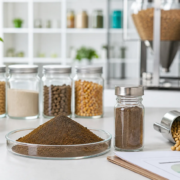
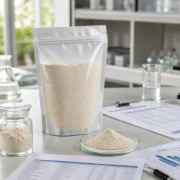
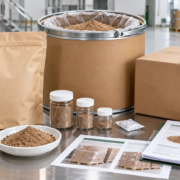
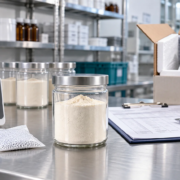
Requesting earthworm protein samples works best when the sample has a defined job: answering a specific purchasing, quality, or formulation question. A small parcel alone cannot establish commercial suitability. Buyers need a link between the material, its batch records, the planned tests, and the product they may eventually order.
For teams evaluating earthworm protein powder, the useful starting point is a written request covering intended application, destination market, sample quantity rationale, and document needs. Availability, charges, dispatch timing, and supporting records should be confirmed for the actual request rather than treated as standard promises.
This guide is for ingredient distributors, importers, brand owners, and contract manufacturers arranging technical evaluation. It is not advice to consume an unqualified sample, evidence of a health benefit, or confirmation that an earthworm-derived ingredient is permitted in a particular market.
Start With the Decision the Sample Must Support
A sample request should describe the decision that follows the test. Checking whether a powder disperses in a proposed formulation is different from qualifying a source for repeat bulk purchases. The first needs a controlled application trial; the second also needs a review of identity, specifications, documentation, and supply responsibilities.
Ask the project owner to finish this sentence before contacting suppliers: we will use the sample to decide whether to proceed with a named next step. That next step might be an external laboratory assessment, a small formulation trial, or a supplier qualification review. It should not simply be an undefined intention to see whether the material is good.
Separate essential criteria from preferences. An unresolved identity question should not be outweighed by attractive packaging. A sensory preference should not be recorded as a regulatory rejection. Writing these distinctions early gives procurement and technical teams a shared decision record without requiring them to use identical evaluation methods.
What to Include in an Earthworm Protein Sample Request
Send enough information for the supplier to identify the proposed material and explain whether sampling is feasible. Do not include confidential formula details unless they are necessary and appropriate confidentiality arrangements are in place. A clear application category and test objective may be sufficient for the first discussion.
| Request item | What the buyer should provide | What needs confirmation |
|---|---|---|
| Material | Earthworm protein powder and any required grade description | Exact product identity and offered specification |
| Intended use | Application category and development stage | Whether the offer fits that use and document scope |
| Destination | Country and receiving organization | Import review and shipping requirements |
| Evaluation | Planned tests and laboratory quantity estimate | Available amount and any practical limitations |
| Documents | Required records and preferred language | Available versions, lot relationship, and missing items |
| Commercial context | Indicative future demand, clearly identified as an estimate | Separate sample and bulk quotation terms |
Give a real receiving contact rather than only a company name. Include the laboratory contact when the parcel is going directly to a testing facility. A distributor requesting material for a customer should clarify who receives the sample, who owns the results, and who is authorized to approve the next stage.
Agree on Quantity, Cost, and Timing Before Dispatch
The appropriate sample quantity depends on the evaluation plan, not a universal free-sample allowance. Ask each laboratory or formulation team for its material requirement, including preparation losses, repeats, and any retained portion. Combine those needs before requesting a quantity from the supplier.
Confirm whether the supplier can provide that amount from the proposed lot. If only a smaller amount is available, revise the test plan openly. Do not divide an insufficient sample between several teams and later treat incomplete testing as a full qualification result. A staged review may be more useful than several inconclusive trials.
Obtain written confirmation of sample charge, courier charge, payment arrangements, estimated readiness, and dispatch responsibility. Ask whether any fee credit against a later order is offered; do not presume one. Distinguish material readiness from courier collection and delivery estimates. None of these dates should become a launch commitment until the relevant parties have confirmed their responsibilities.
If the sample is urgent, state the decision deadline and explain what happens if it arrives late. The supplier may be able to clarify feasibility, but urgency does not justify skipping identity checks or destination review.
Request Records That Can Be Matched to the Sample
The document package should identify what is being supplied and which results apply to it. Request the proposed specification, a certificate of analysis where available, a lot reference, and handling instructions. Ask whether a report is lot-specific, an example from an earlier lot, or a general specification sheet.
These records answer different questions. A specification describes the agreed requirements. A certificate of analysis reports results for its stated material and lot. A general technical sheet may explain the product but should not be treated as a test report for the parcel on the desk. Unclear naming or mismatched references should be resolved before testing proceeds.
For U.S. dietary supplement operations within its scope, the FDA manufacturing compliance guide addresses component specifications, identity verification, and representative sampling. It does not establish that this particular ingredient is authorized for the proposed use. Buyers should have their quality and regulatory teams determine the applicable requirements.
Request additional statements only when they are relevant to the project. If an allergen statement, origin record, or particular laboratory report is essential, ask whether it can actually be supplied and reviewed. A checklist should reveal gaps, not imply that every supplier automatically holds every document.
Clarify Whether the Sample Represents Future Supply
A sample can support evaluation only within its documented relationship to the material offered for purchase. Ask whether it comes from a current production lot, a pilot preparation, a retained lot, or another identified source. Record the answer beside the sample reference.
If future orders may use a different lot, ask what will remain the same and what will be checked again. The relevant comparison may include specification version, manufacturing route description, composition information, packaging, and analytical methods. Avoid turning one acceptable sample into an unconditional approval of every later delivery.
A change does not automatically make the material unsuitable, but it may change which evaluation results remain useful. For example, a team assessing a trial blend should ask whether the offered bulk material will match the evaluated product description. If the description changes, the project owner should decide which tests need repeating before accepting the change.
Keep supplier approval and lot acceptance as separate decisions in your records. This makes it easier to understand whether a later problem concerns the chosen source, a particular shipment, or the buyer’s own handling and application conditions.
Prepare for Shipping and Receipt
Confirm the delivery address, consignee details, shipment description, declared value basis, and required paperwork before the parcel leaves. A shipment described as a sample still needs an accurate description. Do not ask a supplier to misstate the material or value to reduce administrative work.
Have the receiving organization or its adviser review whether permits, animal-origin controls, or other destination requirements apply to the intended shipment. Requirements depend on the country, material description, processing, and proposed use. Courier acceptance is not an ingredient authorization decision, and successful delivery is not permission to sell a finished product.
On receipt, record the date, parcel condition, labels, lot reference, and any discrepancy. Follow confirmed handling instructions and your organization’s receiving procedure. If seals are damaged, records do not match, or transport conditions are unclear, hold the material for review rather than quietly proceeding.
When an external laboratory receives the parcel, request its receipt reference and condition observations. This preserves the connection between the shipped material and the reported result even when procurement never physically handles the container.
Use a Written Evaluation Plan
A useful evaluation plan states the question, method, decision criterion, and responsible reviewer for each assessment. Keep incoming quality checks separate from application trials so that a positive result in one area is not mistaken for approval in another.
| Evaluation area | Question to answer | Record to keep |
|---|---|---|
| Identity and documents | Does the received material match the intended purchase? | Label, lot reference, reviewed records, and unresolved differences |
| Composition | Do results meet the agreed specification using suitable methods? | Laboratory report, method, units, and reporting basis |
| Safety-related testing | Have the applicable concerns been assessed? | Risk-based test plan and qualified review |
| Application performance | Does the material behave acceptably in the proposed process? | Trial recipe reference, conditions, observations, and comparison |
| Purchasing readiness | What remains before a first order can be approved? | Open-item list with owners and next actions |
Choose numerical acceptance limits with qualified technical staff and the relevant specification; this article supplies no universal protein minimum or contaminant limit. Also agree how results reported on different bases will be reviewed. A percentage without its method and reporting basis can be difficult to compare responsibly.
Describe Application Results Precisely
Application feedback should explain what happened under stated conditions. Record the preparation sequence, liquid or blend composition, mixing approach, observation time, and comparison material where relevant. A note saying poor solubility is much less useful than a description of the actual trial and visible outcome.
For preliminary physical observations, distinguish dispersion, sediment, clumping, and appearance rather than using one broad pass or fail label. Ask the technical reviewer which observations require a repeat or a different method. Do not invent numerical scores after seeing the result simply to make a purchasing decision easier.
Any sensory or human-use assessment requires prior safety and regulatory review and an appropriate procedure. An ingredient sample is not a consumer tasting product by default. This is especially important when a buyer is still verifying the material identity, permitted use, or relevant safety information.
A prototype that looks acceptable does not establish shelf life, nutritional benefit, clinical performance, or suitability for every manufacturing process. State the trial’s limits in the evaluation report so that marketing and sales teams do not reuse a narrow technical observation as a broad product claim.
Turn Feedback Into a Controlled Next Step
Close the sample review with a decision and an open-item list. Possible outcomes include proceed to more testing, request clarification, evaluate another identified material, or stop the project. A conditional decision should list the condition rather than being recorded as a full approval.
When requesting a bulk quotation, reference the evaluated material, sample lot, specification version, and required document package. Confirm packaging, order quantity, delivery responsibilities, and any additional acceptance testing separately. Sample approval should not silently settle commercial terms that were never discussed.
For OEM or private-label discussions, distinguish the raw ingredient evaluation from the finished-product project. Formulation ownership, manufacturing responsibilities, destination requirements, and label review need their own agreement. The FDA’s dietary supplement overview explains that supplements are not approved by FDA for safety and effectiveness before sale. A successful sample review is not an FDA approval or a disease-treatment basis.
Send the supplier specific feedback with supporting references instead of only requesting a better sample. Clear feedback makes it possible to identify whether the unresolved issue concerns documentation, the material offered, the test method, or the application itself.
FAQ
Are earthworm protein samples always free?
No standard free-sample policy should be presumed. Confirm material charges, courier costs, quantity, payment arrangements, and any possible order credit for the actual request. Keep sample terms separate from the expected bulk price.
How much material should I request?
Ask the laboratory and formulation team to estimate their needs, including repeats and a retained portion where appropriate. Then confirm availability with the supplier. There is no single quantity that is sufficient for every evaluation.
Can a certificate of analysis replace my own review?
A certificate is one part of the qualification file. Confirm its lot relationship, methods, and results, and have qualified staff decide what verification is needed for your operation and market. A generic report should not be treated as evidence for an unidentified sample.
Does a successful sample test qualify every future lot?
No. Record what the test demonstrated and how the evaluated material relates to future supply. Supplier approval, specification agreement, and acceptance of a particular bulk lot remain distinct decisions.
What should I do if the sample and documents do not match?
Hold the evaluation and ask for clarification. Keep photographs, labels, and receiving notes, and request corrected records where needed. Do not relabel the sample yourself merely to make it fit the paperwork.
Send Your Ingredient Inquiry
Discuss your earthworm protein sample request with Venacore Bio. Send your destination country, intended application, planned tests, estimated sample requirement, and document checklist. Ask the team to confirm suitable material, current availability, sample terms, and the information that can be provided before dispatch.