
Contact Our Lumbrokinase Manufacturing Team: What B2B Buyers Should Prepare
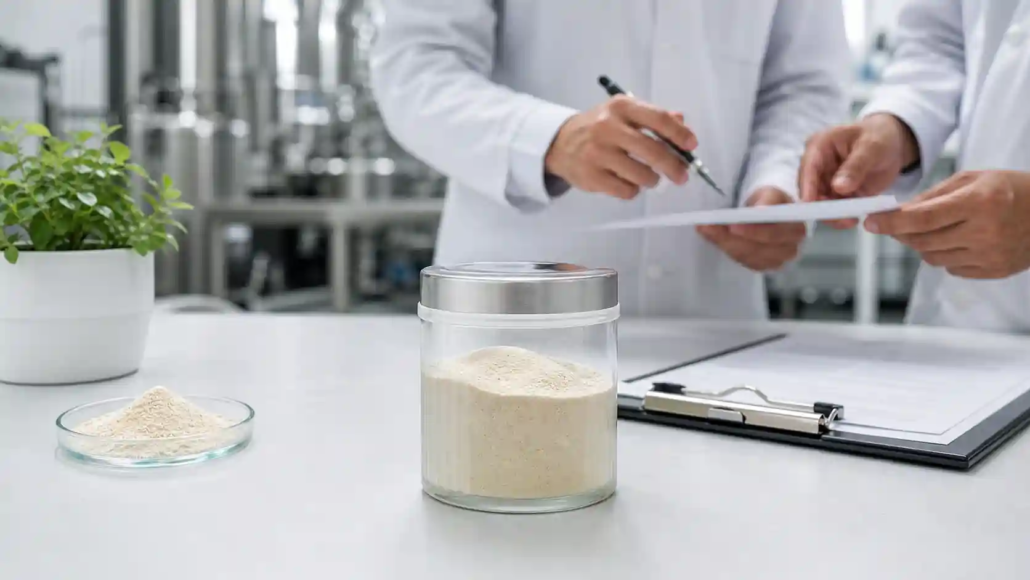
Contacting a lumbrokinase manufacturing team is easiest when your inquiry includes the intended market, dosage form, target specification, order volume, and document needs. Clear information helps the supplier respond with a useful quote instead of a long chain of follow-up questions.
For brands, contract manufacturers, and ingredient distributors, the first message does not need to be perfect. It does need to be specific. If you are sourcing lumbrokinase powder for capsules, tablets, blends, or private-label supplement projects, a focused inquiry can shorten the path from sample review to bulk supply discussion.
What should you tell a lumbrokinase manufacturer first?
You should tell the manufacturer what product you plan to make, which country you will sell in, and what technical data you need before purchase. These three points shape the quote, sample choice, document package, and production schedule.
Lumbrokinase is an enzyme ingredient derived from earthworm raw material and is often discussed in the context of fibrinolytic enzyme supplements. That does not mean a raw material supplier should make health promises for your finished product. A serious B2B conversation stays inside ingredient facts: source, enzyme activity, purity indicators, microbiological limits, heavy metals, residual solvent controls when relevant, allergen statements, and batch-to-batch consistency.
A short but useful first inquiry might say: “We are developing a capsule formula for the U.S. market and need bulk lumbrokinase ingredient with COA, specification sheet, allergen statement, and sample availability. Initial trial volume may be 1 kg, followed by 10 to 25 kg if testing passes.” That gives the manufacturing team a real buying path, not a vague “send price” request.
| Inquiry detail | Why it matters | Example |
|---|---|---|
| Target market | Helps review documentation and compliance expectations | United States, EU, Australia, Southeast Asia |
| Dosage form | Affects particle size, flow, and excipient planning | Capsule, tablet, sachet, blend |
| Estimated quantity | Guides MOQ, lead time, and price tier | Sample, 1 kg trial, 10 kg batch |
| Document needs | Reduces back-and-forth before vendor approval | COA, spec sheet, MSDS, allergen statement |
Which specifications should a buyer ask about?
A buyer should ask about enzyme activity, appearance, moisture, ash, microbiology, heavy metals, and storage conditions. These items help your technical team judge whether the ingredient fits the formula and quality system.
Activity is the first point most buyers raise, but it should not be the only one. Enzyme ingredients can be sensitive to heat, humidity, pH, and long storage. If your finished product will pass through granulation, compression, or aggressive blending, tell the supplier early. A manufacturing team cannot guess your process from a purchase quantity alone.
Also ask how the product is packed. Double PE bags inside a fiber drum, aluminum foil bags for smaller lots, desiccant use, and recommended storage temperature can all matter during international shipping. A good answer does not sound dramatic. It sounds boring, measurable, and repeatable. That is exactly what procurement teams need.
How do sample requests work for lumbrokinase projects?
Sample requests work best when the buyer states the test purpose, required quantity, courier account, and receiving country. The supplier can then prepare a sample that matches your intended bulk grade and paperwork needs.
For a new supplier evaluation, many buyers test identity, appearance, odor, moisture, microbiology, and heavy metals before moving to pilot production. Some brands also send the sample to a third-party laboratory. If that is your plan, tell the supplier. It may affect which batch sample is selected and which COA is attached.
One common mistake is requesting a sample without saying what will happen next. Manufacturers can support serious projects better when they know the expected timeline: vendor approval this month, pilot run next month, purchase order after internal review, or an annual forecast still under discussion. No one needs a long story. A practical timeline is enough.
What documents should you request before placing an order?
Before placing an order, request the current specification sheet, recent COA, MSDS or SDS, flow chart if available, allergen statement, GMO statement when relevant, and packing information. These documents help your quality and regulatory teams screen the ingredient before money moves.
Not every document applies to every market. A U.S. supplement brand may ask different questions than an EU distributor or an Asian contract manufacturer. The point is not to collect a huge file for show. The point is to confirm whether the raw material can pass your internal review and customer requirements.
| Document | What it helps confirm | When to request it |
|---|---|---|
| COA | Batch test results and quality indicators | Sample stage and pre-shipment |
| Specification sheet | Standard limits for routine supply | Before vendor approval |
| SDS/MSDS | Handling and safety information | Before warehouse review |
| Packing details | Drum size, net weight, shelf-life handling | Before quote confirmation |
How should buyers discuss price, MOQ, and lead time?
Buyers should discuss price, MOQ, and lead time together because each one affects the others. A 1 kg trial, a 10 kg repeat order, and a 100 kg annual program cannot be priced or scheduled in the same way.
Ask for a quote that names the grade, quantity, Incoterms, packing, payment terms, and estimated production or dispatch time. If you need CIF, DDP, or courier sample delivery, say so. If your company has its own freight forwarder, mention that as well. A supplier can quote more accurately when shipping responsibility is clear.
For lumbrokinase, low price alone is a weak buying signal. Enzyme activity, document reliability, batch traceability, and communication speed often matter more across repeat orders. A slightly cheaper offer can become expensive if the ingredient fails incoming QC or documents arrive late.
What should be on your inquiry checklist?
Your inquiry checklist should cover product use, specification, quantity, documents, sample needs, packaging, destination, and timeline. This gives the manufacturing team enough context to reply with a complete proposal.
- Product target: capsule, tablet, powder blend, or other supplement format.
- Market: country or region where the finished product will be sold.
- Quantity: sample size, first order, and expected repeat volume if known.
- Technical needs: activity, microbiology, heavy metals, moisture, and storage.
- Documents: COA, specification, SDS, allergen statement, GMO statement, flow chart when needed.
- Commercial terms: Incoterms, payment preference, shipping method, and delivery deadline.
- Decision path: testing, pilot run, vendor approval, purchase order, or long-term supply review.
That checklist may feel plain, but plain is powerful in procurement. It turns a cold inquiry into a workable sourcing case.
How can Venacorebio support a lumbrokinase sourcing conversation?
Venacorebio can support a sourcing conversation by reviewing the buyer’s intended use, target specification, documents, sample request, packing needs, and bulk order plan. The goal is to help B2B buyers evaluate ingredient fit without overstating health outcomes.
A responsible supplier should be comfortable saying what the ingredient is, how it is controlled, and what documents are available. It should also be careful about what it cannot claim. Lumbrokinase is a raw material for supplement and research-oriented commercial projects, not a promise of disease treatment or prevention. Finished product claims depend on local laws, formula design, label review, and the brand’s own compliance process.
FAQ
What is the fastest way to contact a lumbrokinase manufacturer?
The fastest way is to send your target market, dosage form, quantity, required documents, and sample request in one message. This helps the manufacturer prepare a useful reply.
Can I ask for a lumbrokinase powder sample before a bulk order?
Yes. Buyers commonly request samples for internal testing, formula checks, and vendor approval before moving to a bulk lumbrokinase powder order.
What documents do supplement brands usually need?
Common documents include a COA, specification sheet, SDS, allergen statement, GMO statement when relevant, packing details, and storage guidance.
Does a supplier decide finished product health claims?
No. Finished product claims depend on the brand, formula, label review, evidence, and local regulations. Raw material suppliers should avoid medical promises.
What affects lumbrokinase ingredient pricing?
Pricing can depend on grade, activity level, quantity, testing scope, packaging, shipping terms, and whether the order is a trial lot or repeat supply program.
Send Your Ingredient Inquiry to Venacorebio
Tell us your target ingredient, specification, order quantity, dosage form, and destination market. Venacorebio can help you review sample options, documentation needs, packaging requirements, and bulk supply details for bulk lumbrokinase powder.




Leave a Reply
Want to join the discussion?Feel free to contribute!